 Trádálaithe Teilifíse
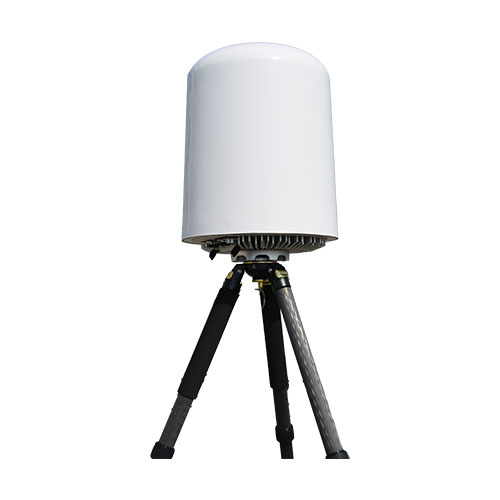
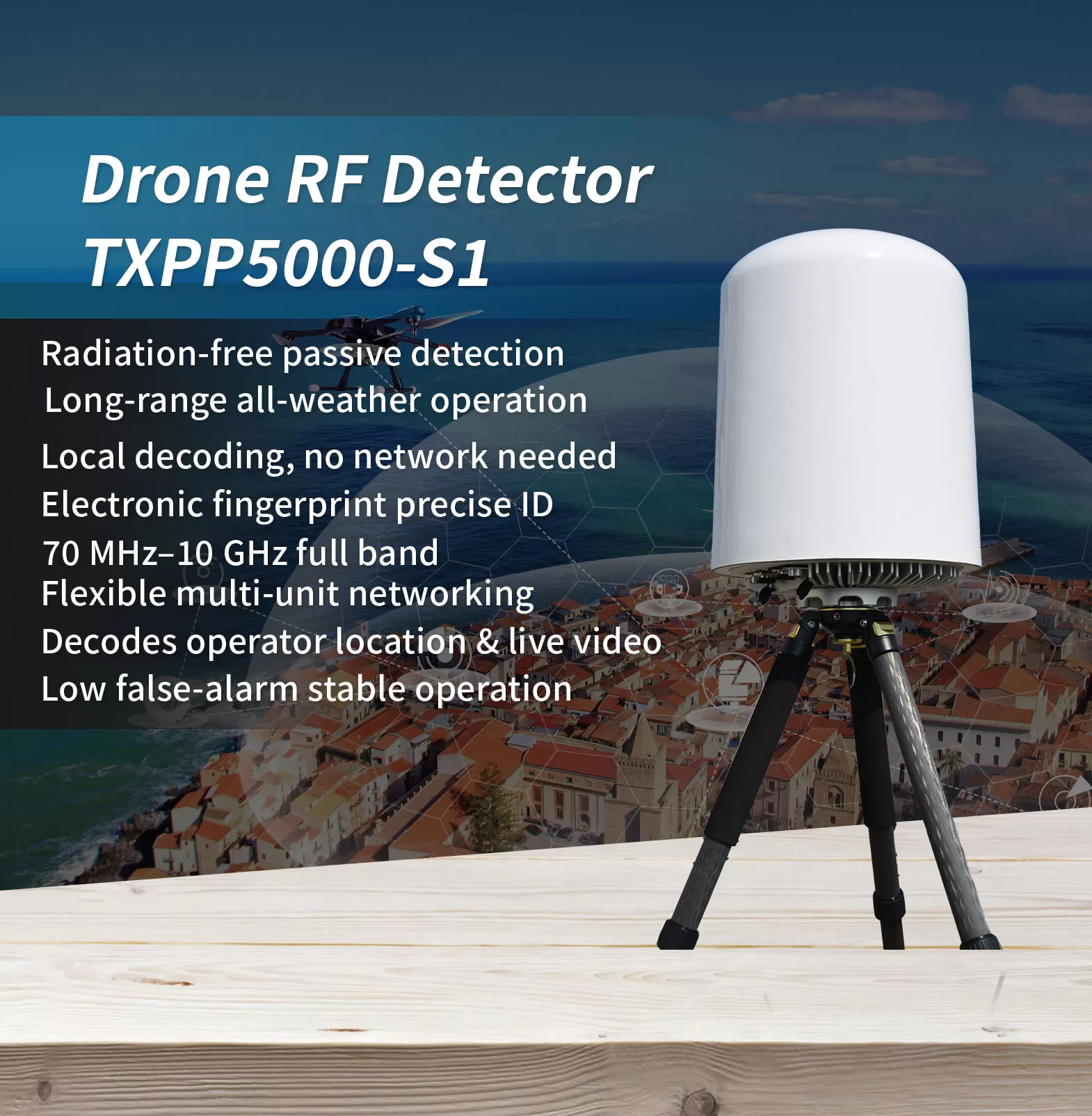
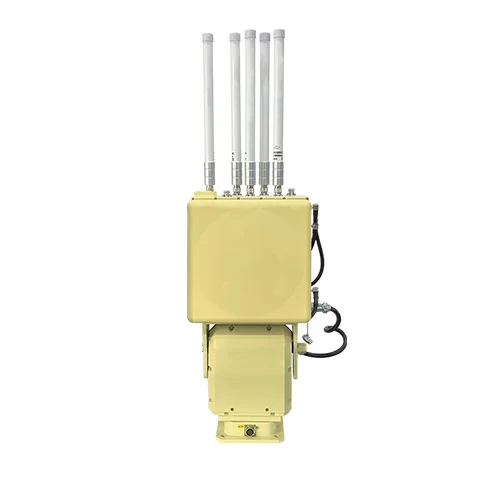
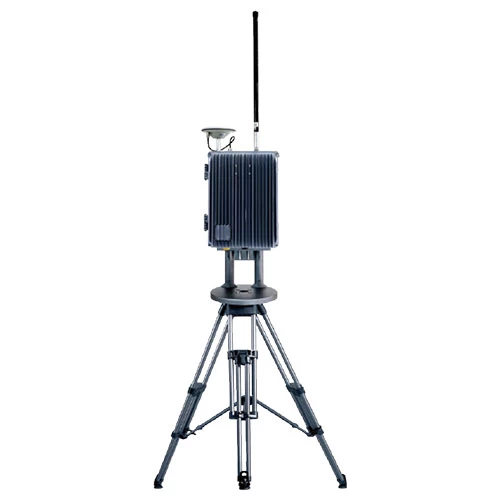
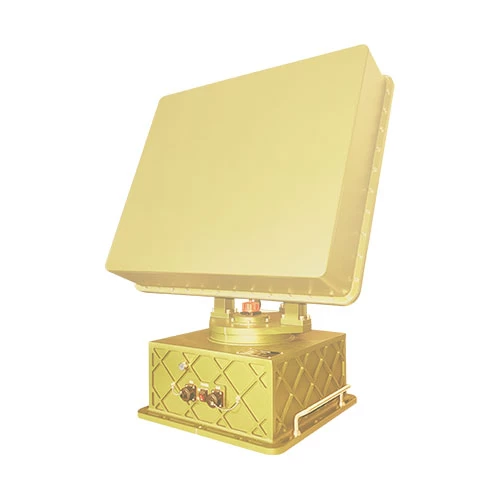
In the landscape of low-altitude threats, the hardest targets to defend against are often the ones you cannot see. drones FPV, modified UAVs, and low-flying “rogue” aircraft frequently evade cameras and radar—yet they cannot hide from radio frequency. This radio detection equipment passively intercepts drone signals without emitting high-power electromagnetic radiation, and keeps working continuously through rain, ceo, dorchadas, and building obstructions.
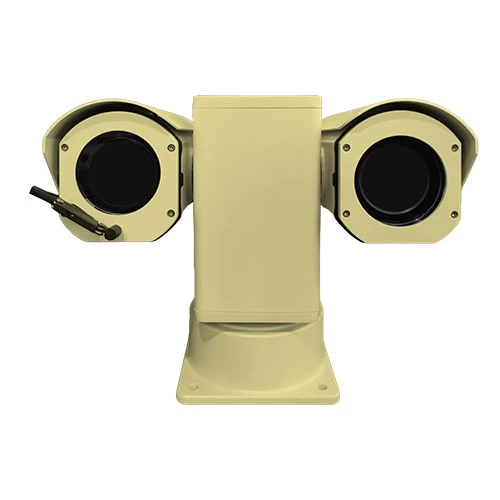
Covering a wide 70 MHz to 10 GHz band (subject to local frequency regulations), it identifies drone video and control links and simultaneously tracks more than 40 spriocanna, with a detection range beyond 5 km that can reach 10 km under favorable conditions, while operating with a low false-alarm rate. It captures the drone’s unique electronic fingerprint (SN), distinguishing individual airframes of the same model and resolving the operator’s location; it decodes domestic and international Remote ID standards such as GB42590-2023, ASTM F3411-22a, and ASD-STAN PrEN4709-002, as well as DJI Drone-ID; it also decodes civil aviation ADS-B broadcasts to provide real-time position information.
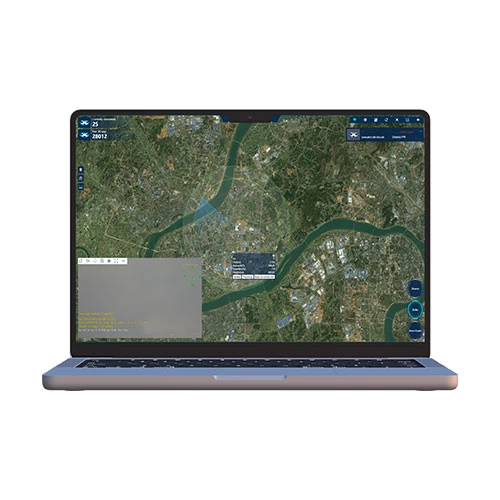
With average power consumption not exceeding 100 W and support for 7×24 unattended operation, it features built-in GPS auto north-alignment and multi-unit networking for 360° full-airspace coverage and cross-location, with linked execution of countermeasure strategies. A Web interface and RESTful API make it easy to integrate into existing security platforms. It is widely suited to low-altitude detection and operator tracing at airports, prisons, oil depots, borders, and other critical sites.
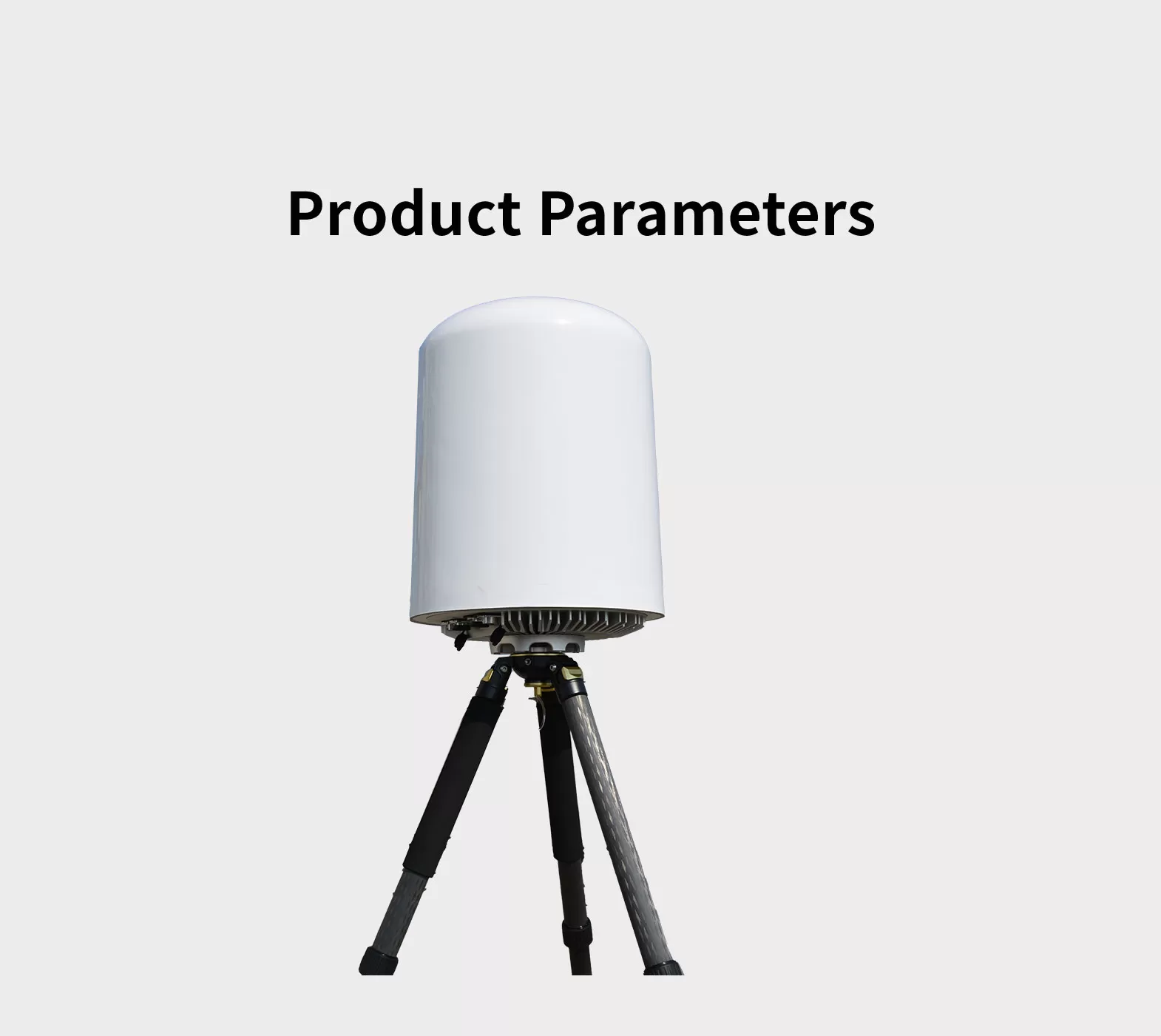
*Tabhair faoi deara go bhfuil láithrithe ann, Féadfaidh sonraíochtaí agus feidhmeanna a bheith difriúil gan fógra.
| Mionsamhail | TXPP5000-S1 |
| Frequency range | 70 MHz ~ 10 GHz |
| Raon braite uasta | ≥3 mhíle (5 km) Maximum detection distance can exceed 6 miles (10 km); actual performance may vary depending on the electromagnetic environment and drone type.) |
| Direction finding accuracy | ≤20°(RMS, Drone hovering condition; applicable to 2.4 GHz an 5 GHz bands only.) |
| Max comhuaineach rianú | ≥40 |
| Maximum detectable target speed | ≥±66 ft/s (±20 m/s) |
| Clúdach Azimuth | 0 ~ 360° |
| Clúdach airde | 0 ~ 90°
|
| Soláthar cumhachta | AC 80 ~ 264V / DC 113 ~ 370V |
| Tomhaltas cumhachta | ≤ 100W |
| Teocht oibre | -20 ~ +60°C |
| Toisí | ≤ 14 × 20 isteach (350*480 mm) (Diameter*Height) |
| Ualach | ≤ 33 lbs (15 kg) (Main unit only, excluding mounting bracket) |
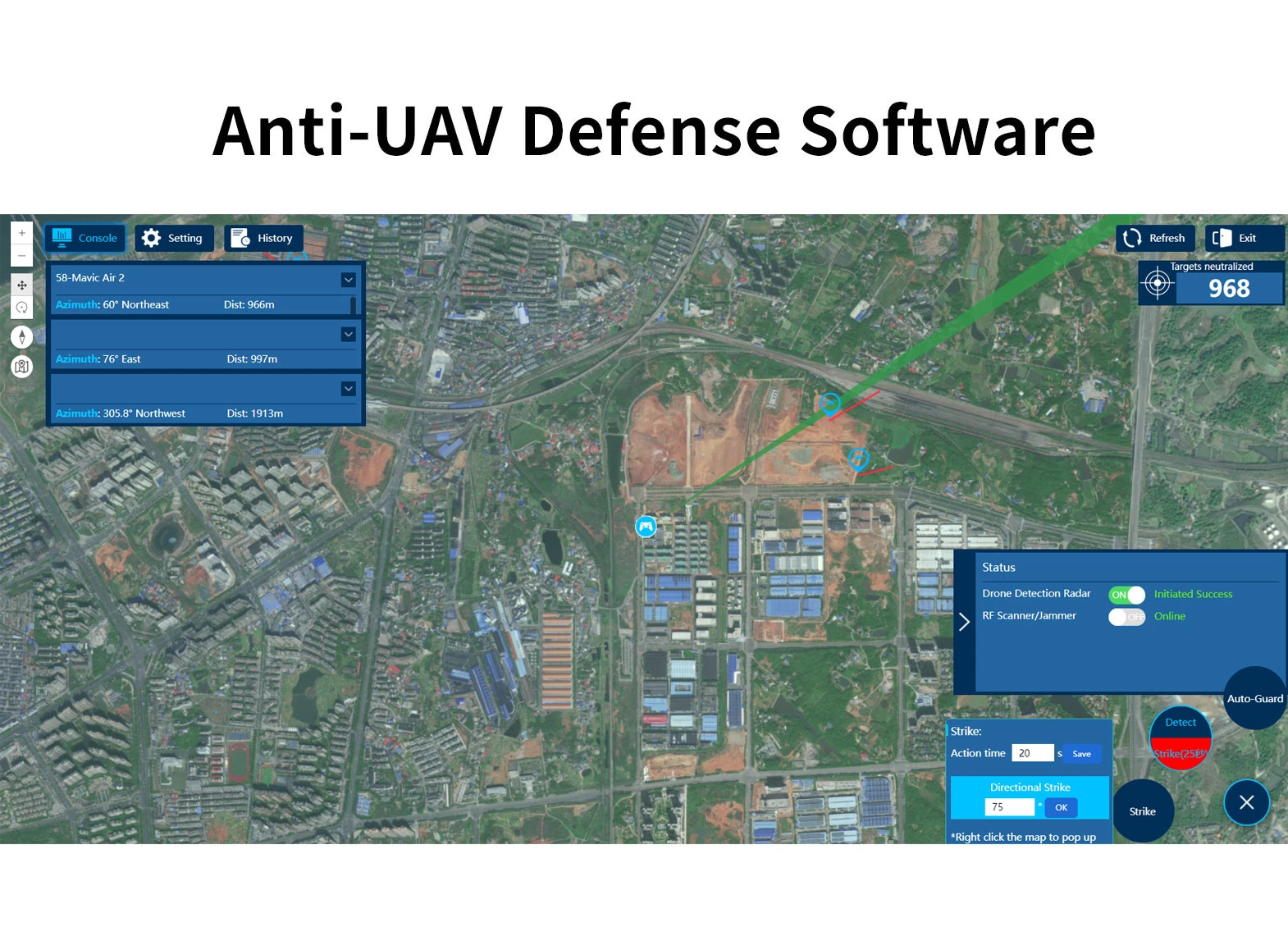
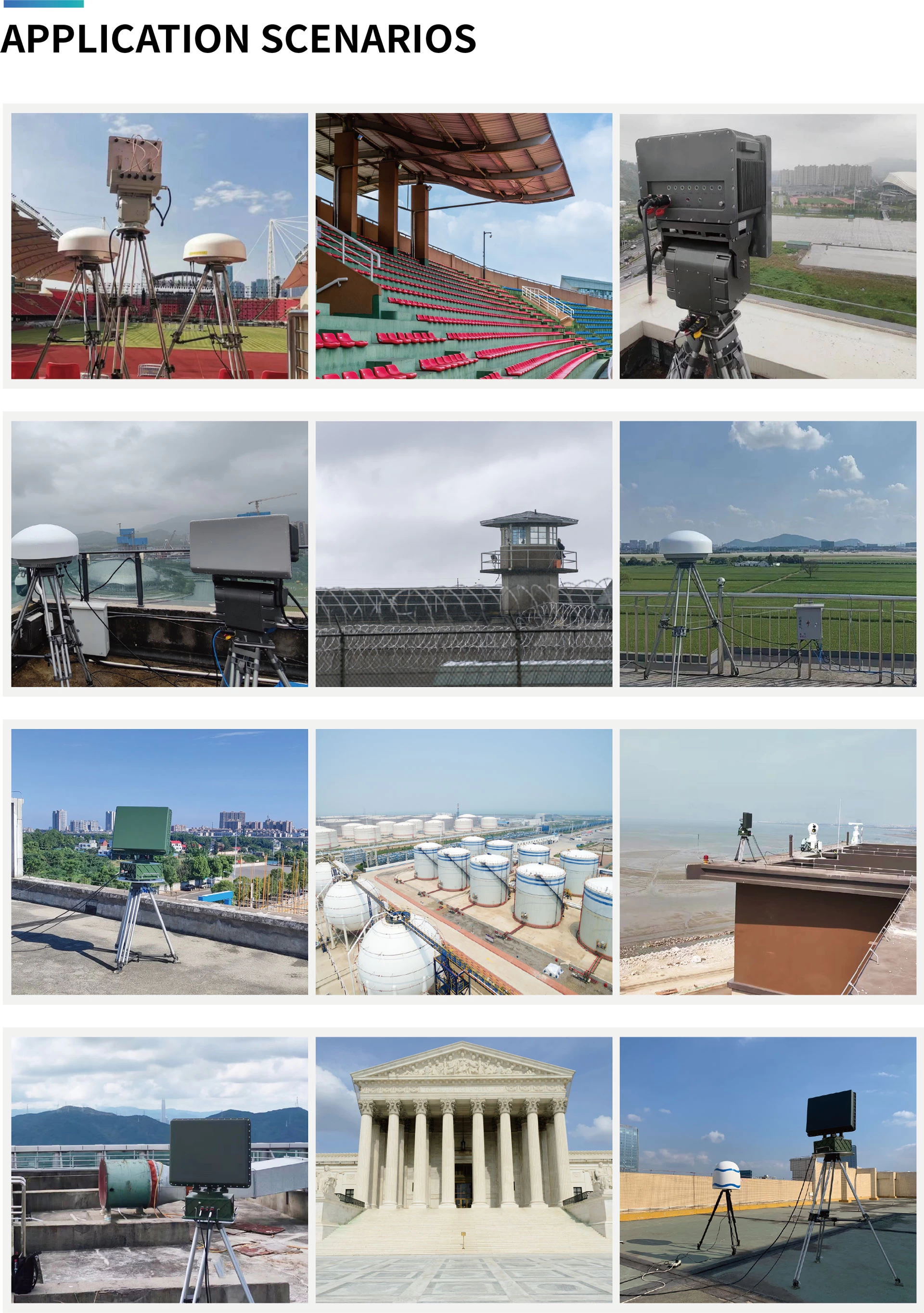
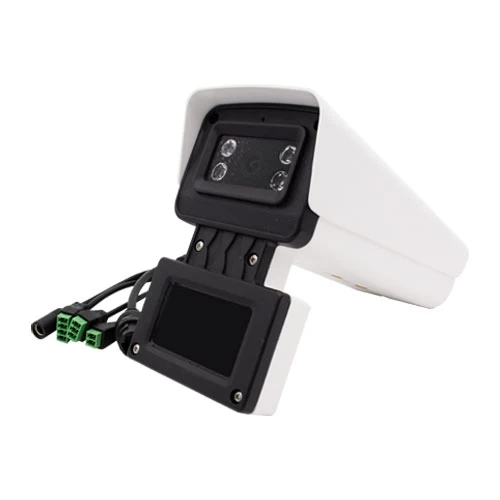
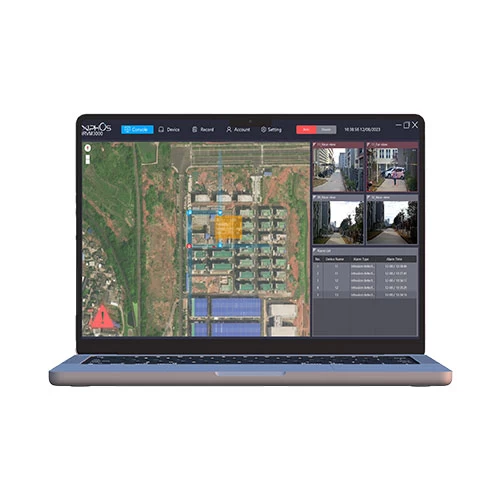
Tá Córas Cosanta Frith-UAV comhdhéanta de threalamh tosaigh mar radar braite, Brathadóir RF, E/O ceamara rianaithe, Feiste jamming RF nó spoofing agus bogearraí ardán rialaithe UAV. Nuair a théann an drone isteach sa chrios cosanta, aschuireann an t-aonad braite faisnéis chruinn suímh trí achar gníomhach, uillinn, luas agus airde. Ar dhul isteach sa chrios rabhaidh, cinnfidh an córas go neamhspleách agus cuirfidh sé tús leis an bhfeiste jamming chun cur isteach ar chumarsáid an drone, ionas go mbeidh an drone ag filleadh nó ag tuirlingt. Tacaíonn an córas le bainistíocht ilfheistí agus ilchriosanna agus is féidir é a bhaint amach 7*24 monatóireacht uile-aimsire agus cosaint i gcoinne ionradh drone.
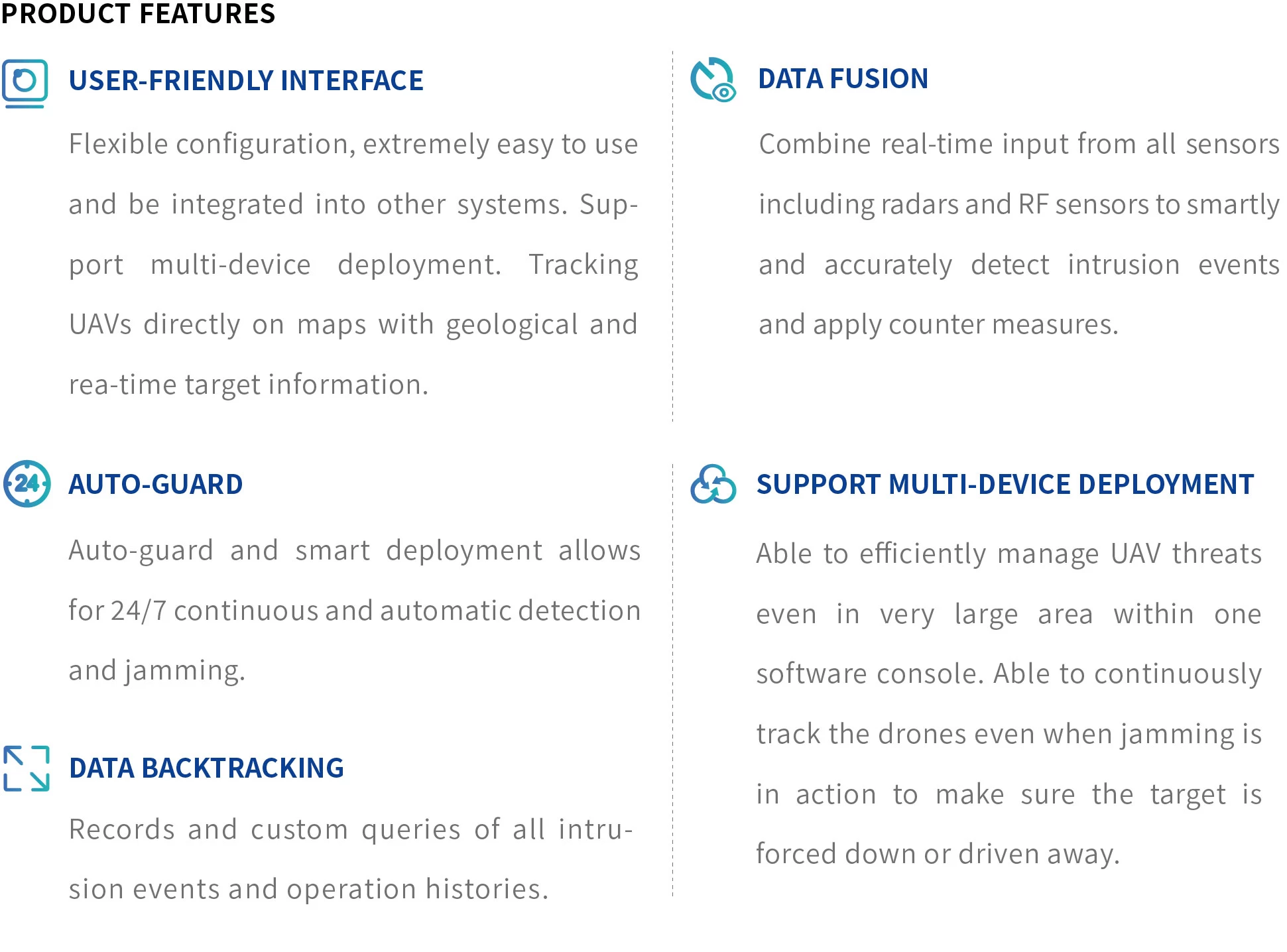
Is éard atá i gCóras Cosanta Frith-UAV ná aonad braite radair nó RF, Aonad rianaithe EO agus aonad jamming. Comhtháthaíonn an córas braite sprice, rianú & aitheantas, ordú & rialú ar jamming, feidhmeanna il i gceann. Bunaithe ar chásanna iarratais éagsúla, is féidir an córas a imscaradh go solúbtha i réiteach optamach trí aonad braite éagsúla agus gléas jamming a roghnú. Is féidir AUDS a shuiteáil seasta, gléas soghluaiste gléasta nó iniompartha feithicle. De réir cineál suiteála seasta, Úsáidtear AUDS go forleathan i suíomh cosanta slándála ardleibhéil, úsáidtear cineál gléasta feithicle de ghnáth le haghaidh patróil ghnáthamh nó níos mó, agus úsáidtear cineál iniompartha go leor le haghaidh cosc sealadach & rialú i bpríomhchomhdháil, imeachtaí spóirt, ceolchoirm srl.

WeChat
Scan an Cód QR le wechat