 Luchd-malairt Tbh
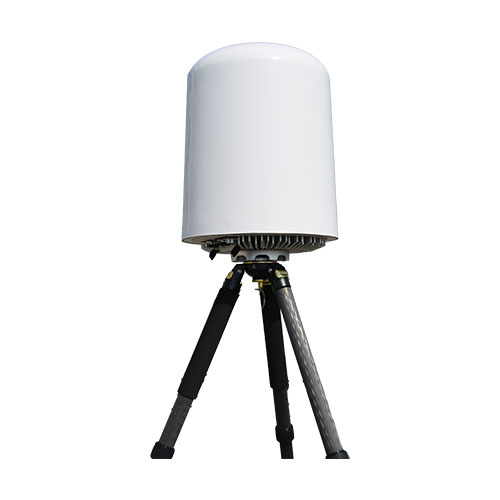
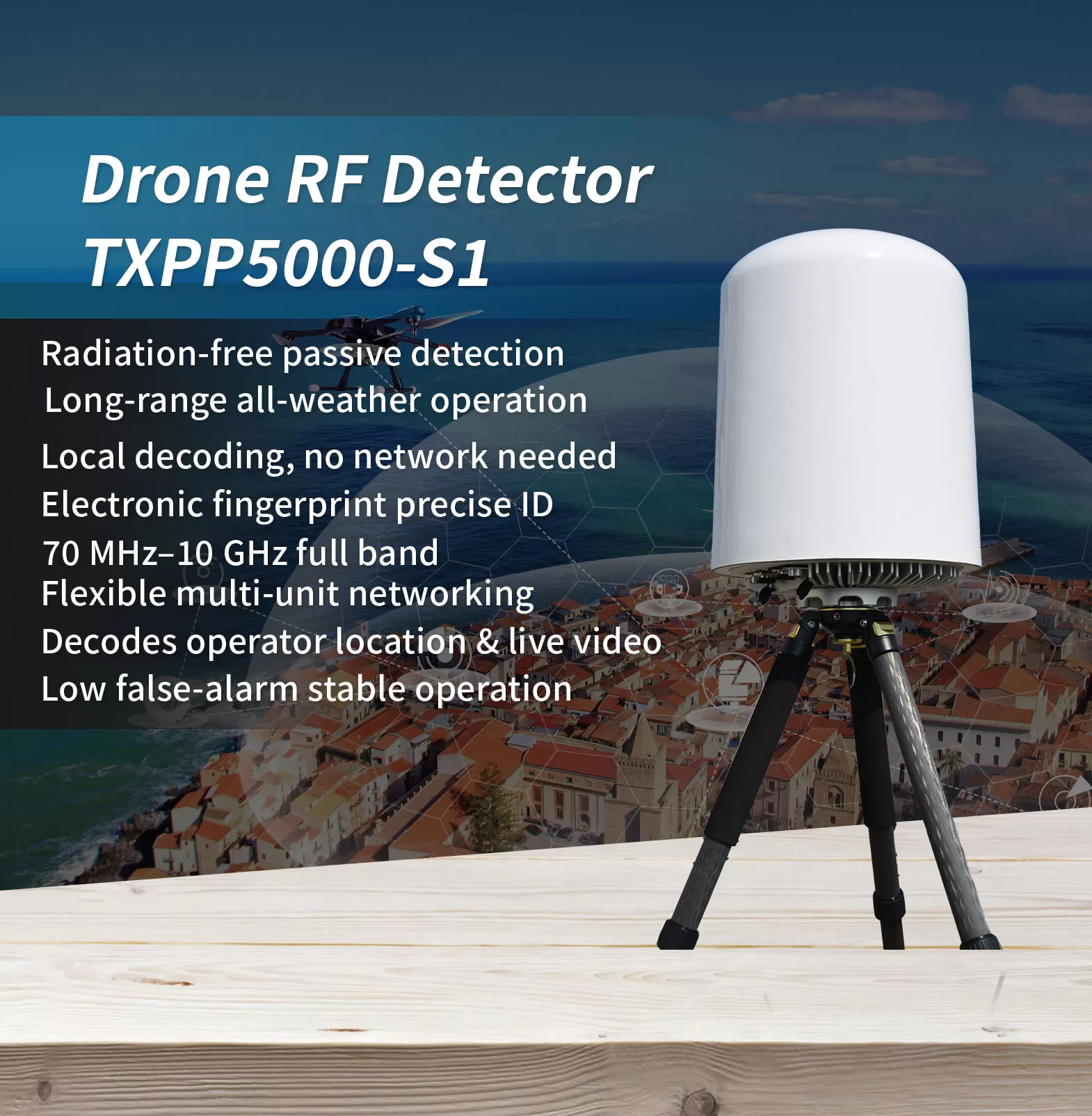
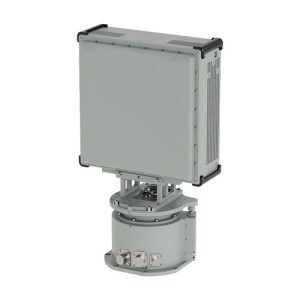
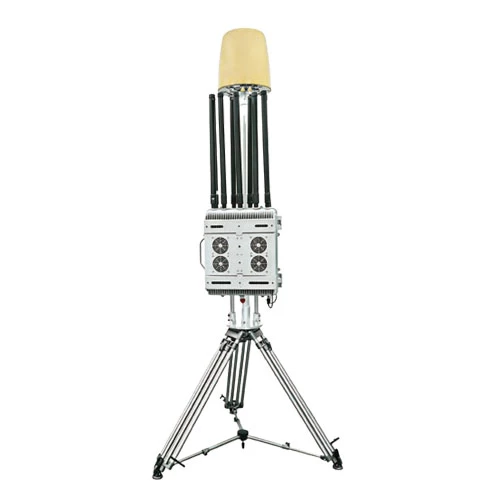
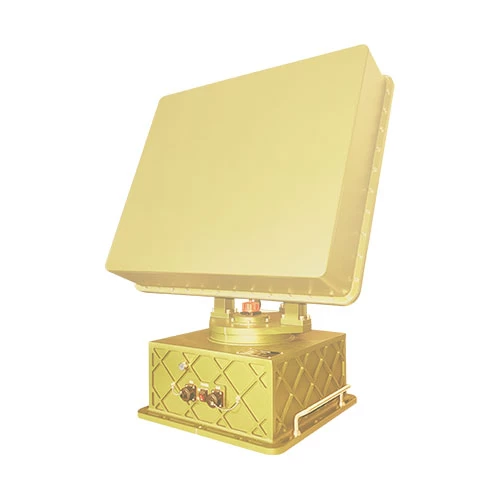
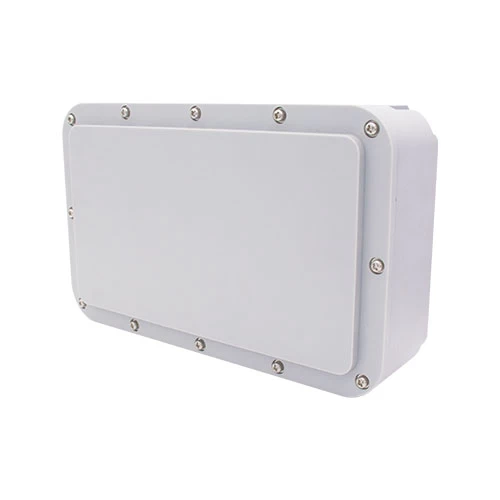
In the landscape of low-altitude threats, the hardest targets to defend against are often the ones you cannot see. drones FPV, modified UAVs, and low-flying “rogue” aircraft frequently evade cameras and radar—yet they cannot hide from radio frequency. This radio detection equipment passively intercepts drone signals without emitting high-power electromagnetic radiation, and keeps working continuously through rain, ceo, dorchadas, and building obstructions.
Covering a wide 70 MHz to 10 GHz band (subject to local frequency regulations), it identifies drone video and control links and simultaneously tracks more than 40 targaidean, with a detection range beyond 5 km that can reach 10 km under favorable conditions, while operating with a low false-alarm rate. It captures the drone’s unique electronic fingerprint (SN), distinguishing individual airframes of the same model and resolving the operator’s location; it decodes domestic and international Remote ID standards such as GB42590-2023, ASTM F3411-22a, and ASD-STAN PrEN4709-002, as well as DJI Drone-ID; it also decodes civil aviation ADS-B broadcasts to provide real-time position information.
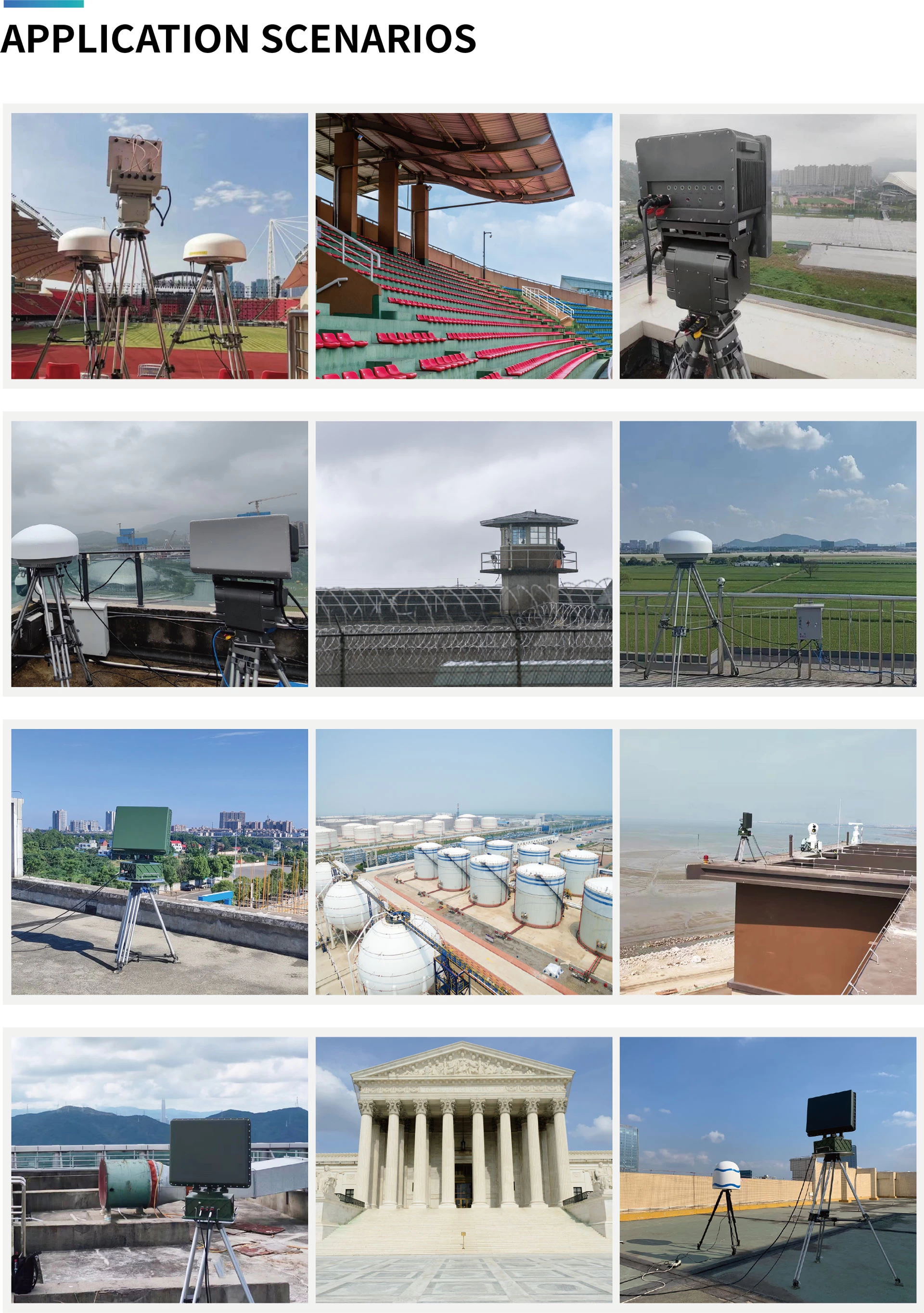
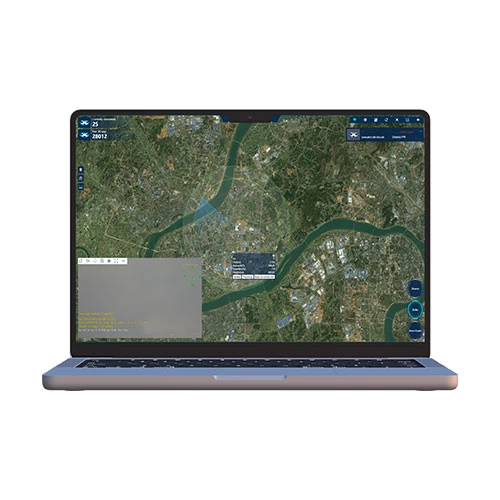
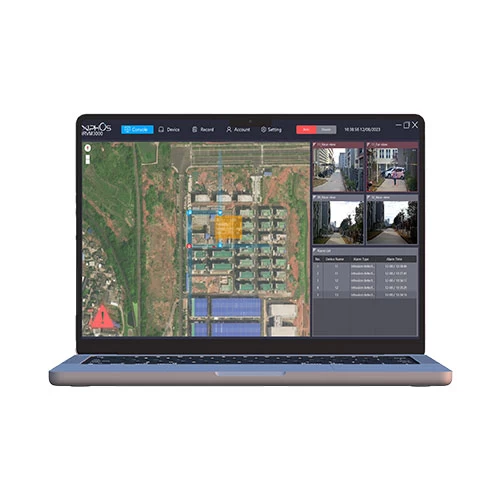
With average power consumption not exceeding 100 W and support for 7×24 unattended operation, it features built-in GPS auto north-alignment and multi-unit networking for 360° full-airspace coverage and cross-location, with linked execution of countermeasure strategies. A Web interface and RESTful API make it easy to integrate into existing security platforms. It is widely suited to low-altitude detection and operator tracing at airports, prìosain, oil depots, borders, and other critical sites.
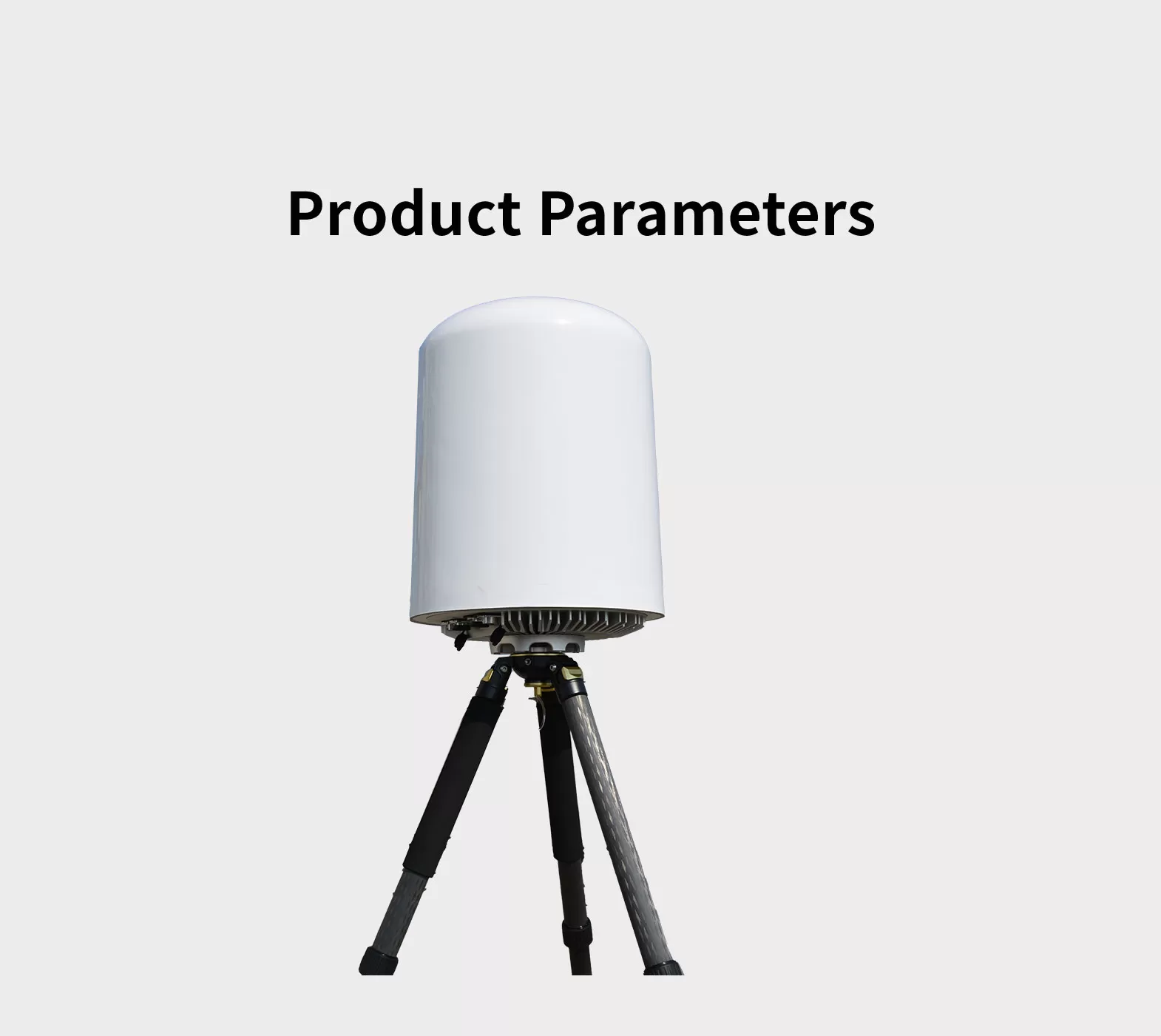
*Thoir fa-near gu bheil coltas, Faodaidh sònrachaidhean agus gnìomhan a bhith eadar-dhealaichte gun rabhadh.
| Modail | TXPP5000-S1 |
| Frequency range | 70 MHz ~ 10 GHz |
| Raon lorgaidh as àirde | ≥3 mìle (5 km) Maximum detection distance can exceed 6 miles (10 km); actual performance may vary depending on the electromagnetic environment and drone type.) |
| Direction finding accuracy | ≤20°(RMS, Drone hovering condition; applicable to 2.4 GHz an 5 GHz bands only.) |
| Max aig an aon àm tracadh | ≥40 |
| Maximum detectable target speed | ≥±66 ft/s (±20 m/s) |
| Còmhdach Azimuth | 0 ~ 360 ° |
| Còmhdach àrdachaidh | 0 ~ 90°
|
| Solar cumhachd | AC 80 ~ 264V / DC 113 ~ 370V |
| Caitheamh cumhachd | ≤ 100W |
| Teòthachd obrach | -20 ~ +60°C |
| Meudan | ≤ 14 × 20 anns (350*480 mm) (Diameter*Height) |
| Cuideam | ≤ 33 lbs (15 kg) (Main unit only, excluding mounting bracket) |
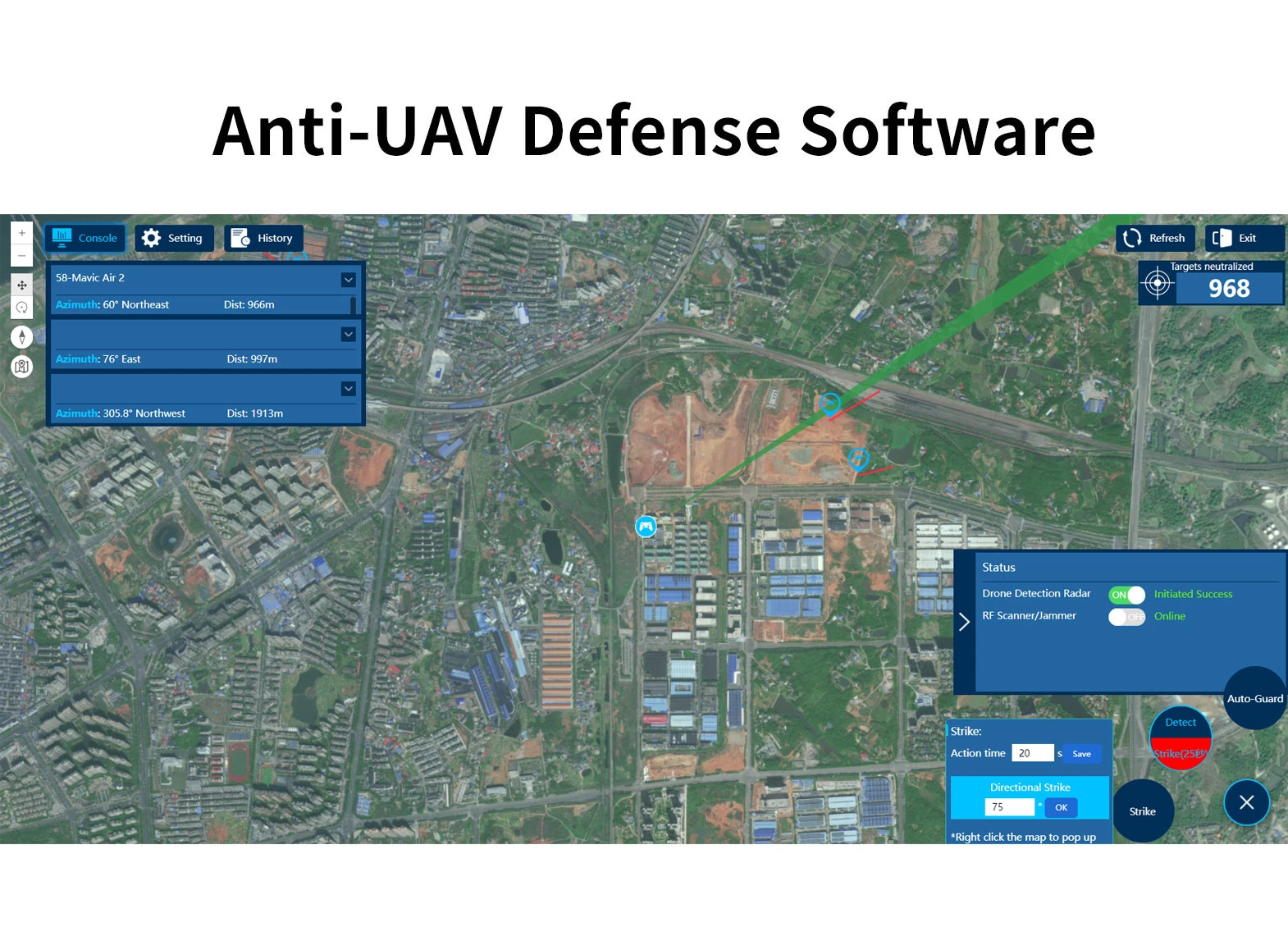
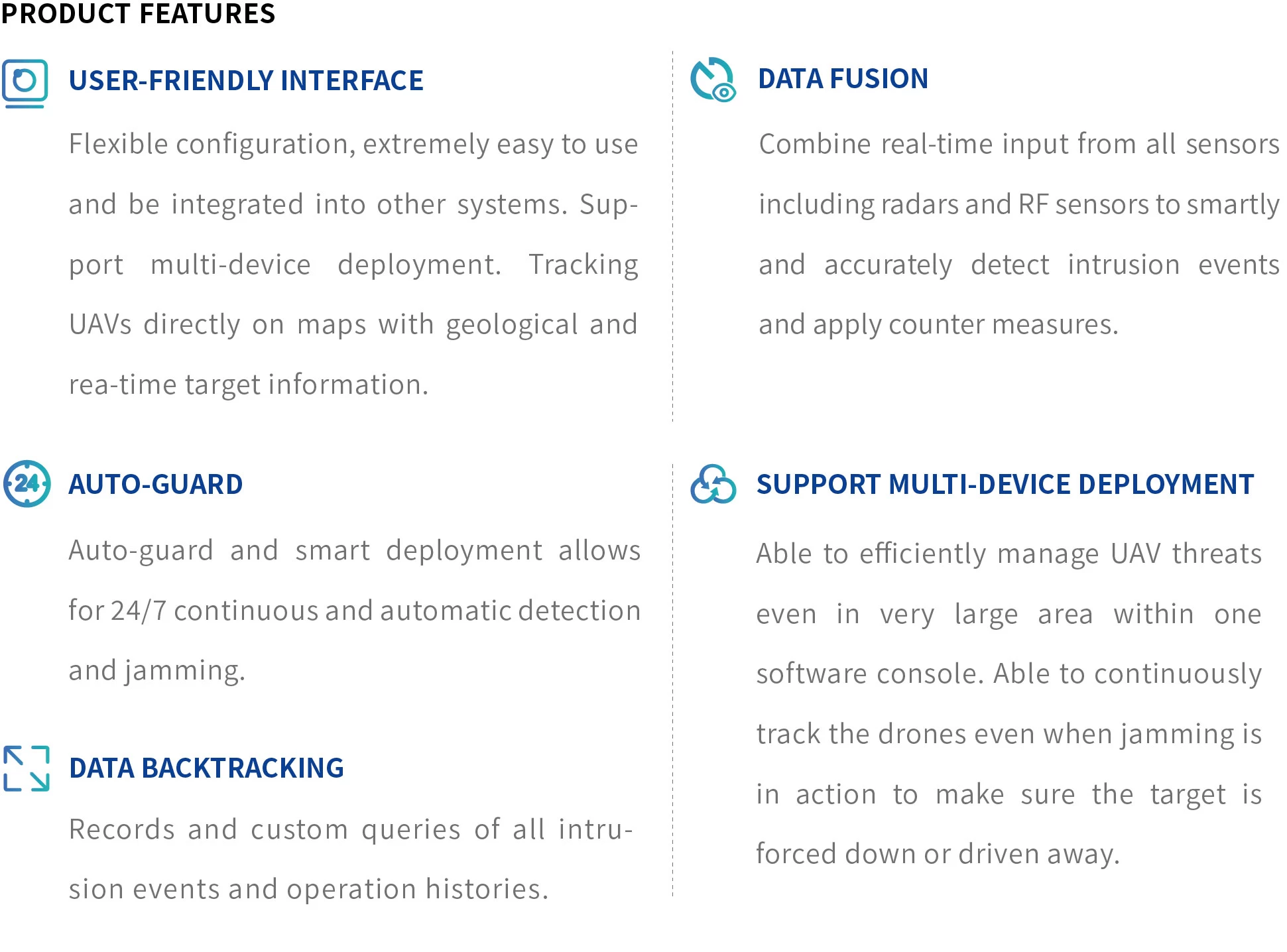
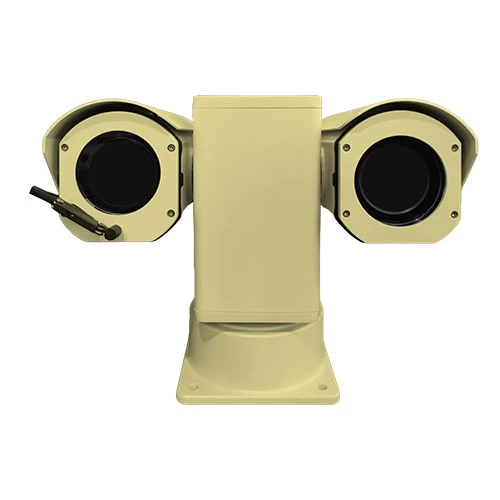
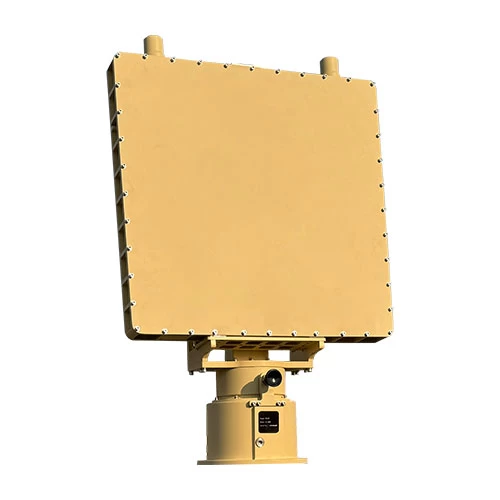
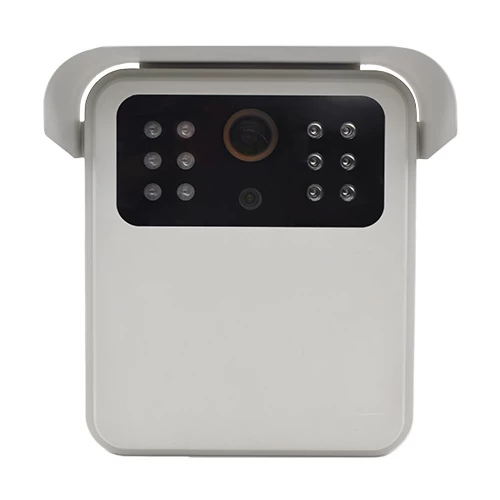
Tha Siostam Dìon an-aghaidh UAV air a dhèanamh suas de uidheamachd aghaidh leithid radar lorgaidh, Lorgaire RF, Camara tracadh E / O, Inneal RF jamming no spoofing agus bathar-bog àrd-ùrlar smachd UAV. Nuair a thig an drone a-steach don raon dìon, bidh an aonad lorgaidh a’ toirt a-mach fiosrachadh suidheachaidh ceart tro astar gnìomhach, ceàrn, luaths agus àirde. Nuair a thig thu a-steach don raon rabhaidh, socraichidh an siostam gu neo-eisimeileach agus tòisichidh e air an inneal jamming gus casg a chuir air conaltradh drone, gus toirt air an drone tilleadh no tighinn air tìr. Bidh an siostam a’ toirt taic do riaghladh ioma-innealan agus ioma-sònaichean agus is urrainn dha a thoirt gu buil 7*24 sgrùdadh làn-aimsire agus dìon an aghaidh ionnsaigh drone.
Tha siostam dìon an-aghaidh UAV air a dhèanamh suas de aonad lorg radar no RF, Aonad tracadh EO agus aonad jamming. Bidh an siostam a’ toirt a-steach lorg targaidean, tracadh & aithne, àithne & smachd air jamming, ioma-ghnìomhan ann an aon. Stèidhichte air diofar shuidheachaidhean tagraidh, faodar an siostam a chuir a-steach gu sùbailte ann am fuasgladh as fheàrr le bhith a’ taghadh aonad lorgaidh eadar-dhealaichte agus inneal jamming. Faodar AUDS a stàladh stèidhichte, càr gluasadach no so-ghiùlain. A rèir an seòrsa stàlaidh stèidhichte, Tha AUDS air a chleachdadh gu farsaing ann an làrach dìon tèarainteachd àrd-ìre, mar as trice bithear a’ cleachdadh seòrsa carbaid airson faire àbhaisteach no barrachd, agus tha seòrsa so-ghiùlain air a chleachdadh gu mòr airson casg sealach & smachd ann am prìomh cho-labhairt, tachartasan spòrs, cuirm-chiùil msaa.


WeChat
Sgan an QR Code le wechat