 KAlepa TV
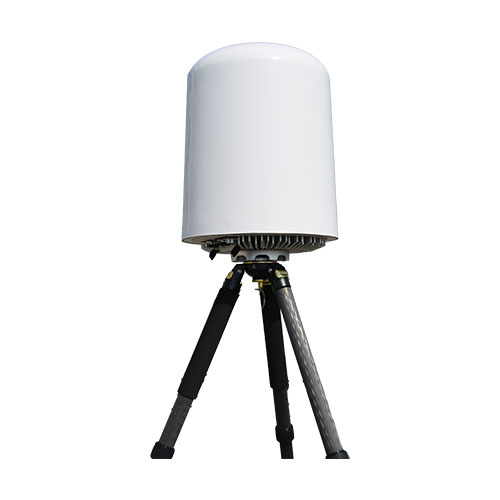
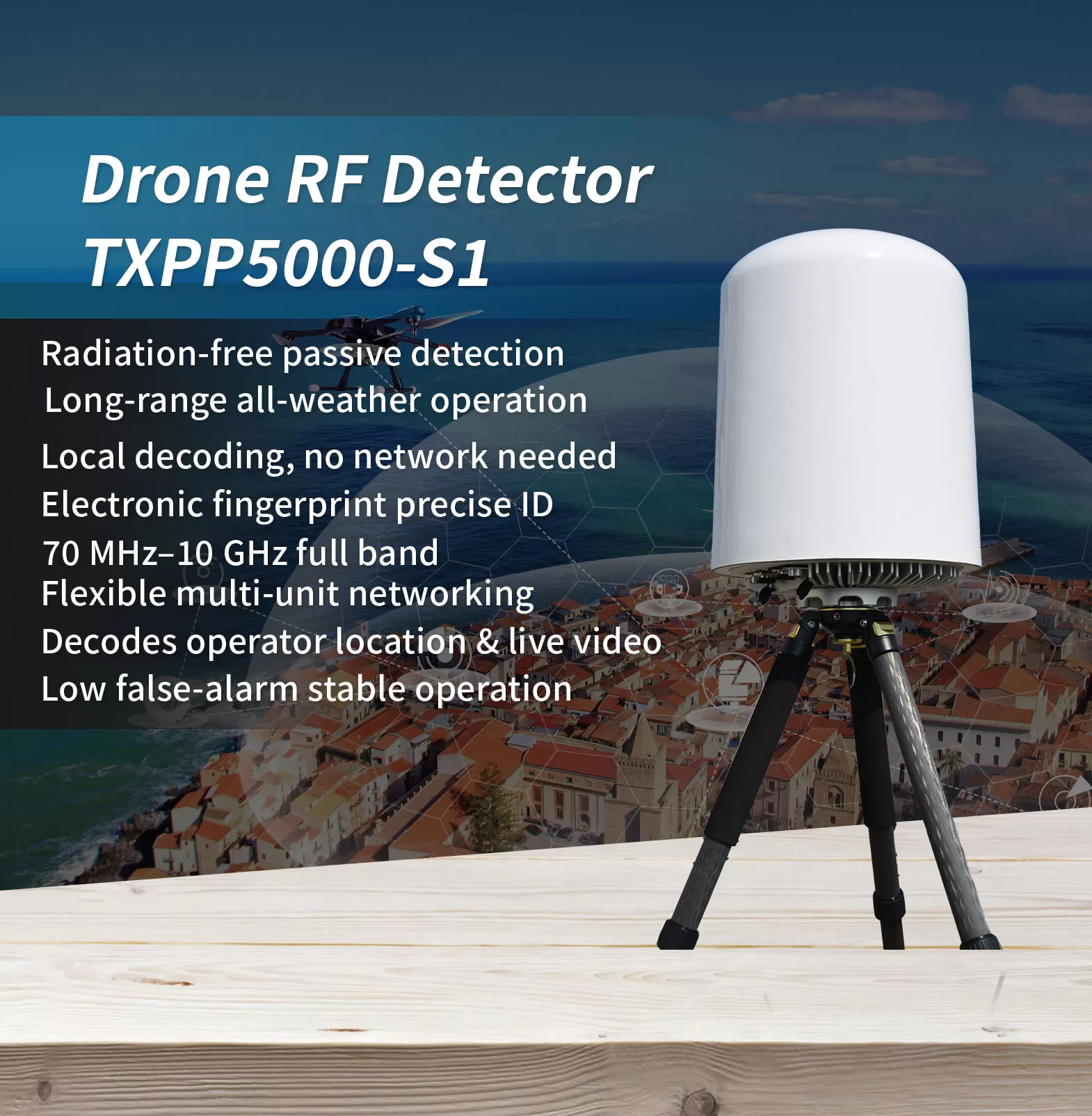
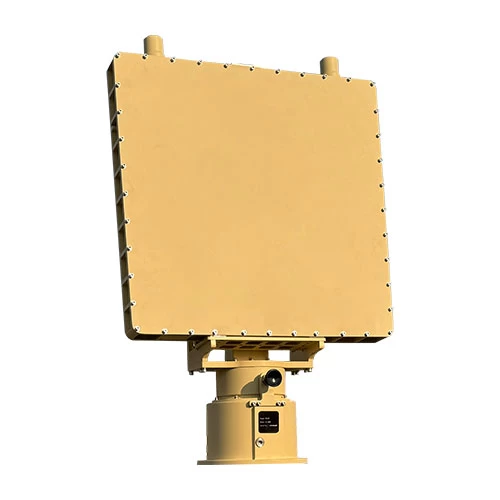
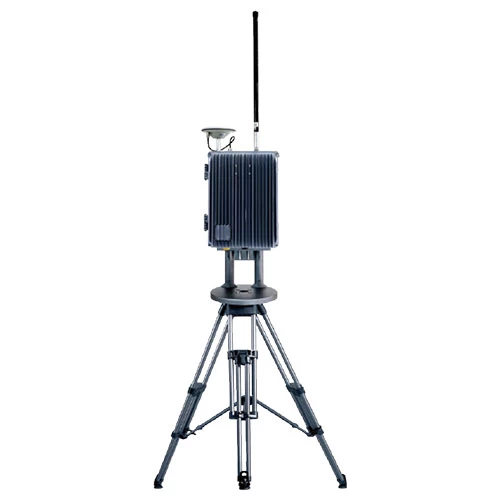
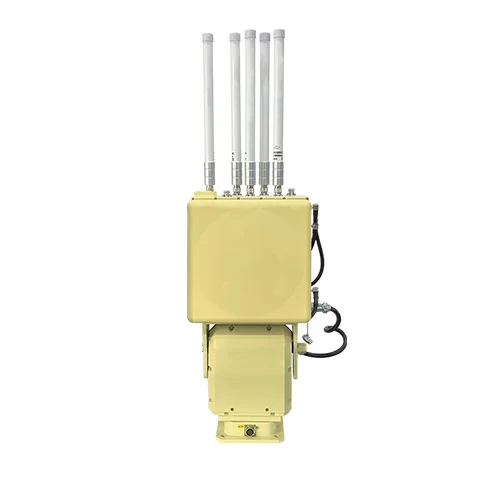
In the landscape of low-altitude threats, the hardest targets to defend against are often the ones you cannot see. Nā drones FPV, modified UAVs, and low-flying “rogue” aircraft frequently evade cameras and radar—yet they cannot hide from radio frequency. This radio detection equipment passively intercepts drone signals without emitting high-power electromagnetic radiation, and keeps working continuously through rain, Fog, pouli, and building obstructions.
Covering a wide 70 MHz to 10 GHz band (subject to local frequency regulations), it identifies drone video and control links and simultaneously tracks more than 40 Nā Kūlana, with a detection range beyond 5 km that can reach 10 km under favorable conditions, while operating with a low false-alarm rate. It captures the drone’s unique electronic fingerprint (SN), distinguishing individual airframes of the same model and resolving the operator’s location; it decodes domestic and international Remote ID standards such as GB42590-2023, ASTM F3411-22a, and ASD-STAN PrEN4709-002, as well as DJI Drone-ID; it also decodes civil aviation ADS-B broadcasts to provide real-time position information.
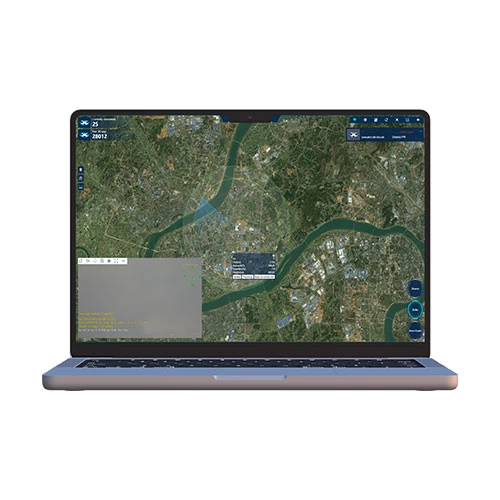
With average power consumption not exceeding 100 W and support for 7×24 unattended operation, it features built-in GPS auto north-alignment and multi-unit networking for 360° full-airspace coverage and cross-location, with linked execution of countermeasure strategies. A Web interface and RESTful API make it easy to integrate into existing security platforms. It is widely suited to low-altitude detection and operator tracing at airports, prisons, oil depots, Nā palena, and other critical sites.
*E hoʻomaopopo e pili ana, ʻO nā mea kiko'ī a me nā hana e like me kaʻikeʻole.
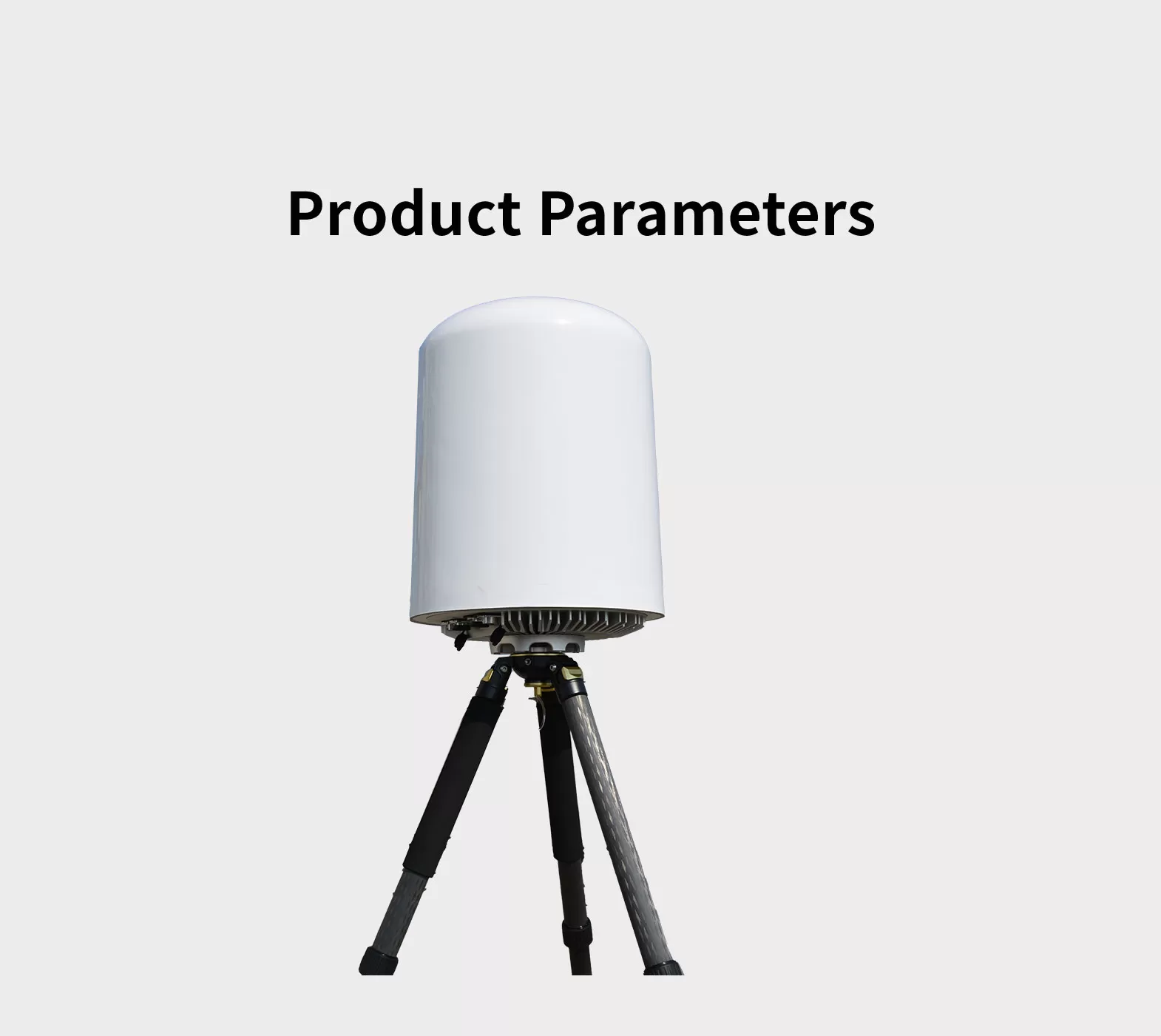
| Hōʻailona | TXPP5000-S1 |
| Frequency range | 70 MHz ~ 10 Ghz |
| Launa ʻike kiʻekiʻe | ≥3 mile (5 km) Maximum detection distance can exceed 6 Nā Miles (10 km); actual performance may vary depending on the electromagnetic environment and drone type.) |
| Direction finding accuracy | ≤20°(RMS, Drone hovering condition; applicable to 2.4 GHz an 5 GHz bands only.) |
| Max i ka manawa like nānā ' | ≥40 |
| Maximum detectable target speed | ≥±66 ft/s (±20 m/s) |
| ʻO ka uhi ʻo Azimuth | 0 ~ 360 ° |
| uhi kiʻekiʻe | 0 ~ 90°
|
| Lako ikehu | AC 80 ~ 264V / DC 113 ~ 370V |
| Mana Manaʻo | ≤ 100W |
| Mahana Ola | -20 ~ +60°C |
| Nā 'Youlelo'Āina | ≤ 14 × 20 i (350*480 mm) (Diameter*Height) |
| Ke kaumaha | ≤ 33 lbs (15 kg) (Main unit only, excluding mounting bracket) |
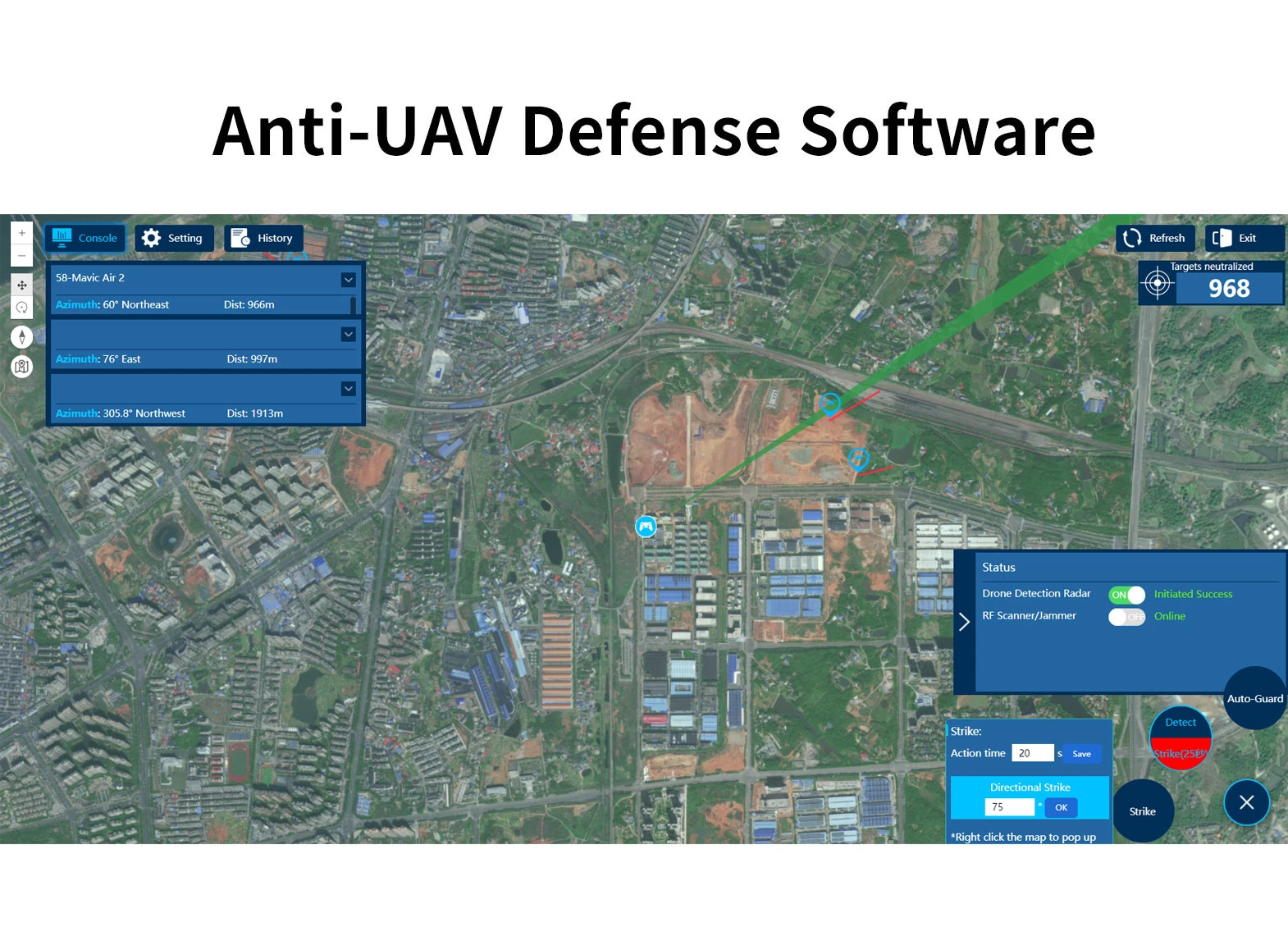
ʻO Anti-UAV Defence Program e pili ana i nā mea kūpono mua e like me kaʻikeʻana i ka radar, ʻO ka mea hopu, E / e nānā i nā kāmera, Rf jamming a iʻole nā mea hana uila a me nā polokalamu paʻa o UAV. I ka wā e hoʻoheheʻe ai nā mea i paleʻia, ʻO ka meaʻike i waho o kaʻike i nāʻike kūpono ma o ka mamao ikaika, kūlehu, wikiwiki a kiʻekiʻe. Ma ke komoʻana i ke kahua kaua, E hoʻoholo ka'ōnaehana kūʻokoʻa a hoʻomaka i ka polokalamu Jamming e hoʻopili i ka kamaʻilioʻana, No laila e hana ai i ka drone e hoʻihoʻi ana a iʻole ka'āina. Kākoʻo ka'ōnaehana i nā hana multik a me ka hoʻokele multi rane a hiki ke hoʻomaopopo 7*24 ʻO ka nānāʻana a pau a me nā pale a me ka paleʻana i ka hoʻopiliʻana i ka Drone.
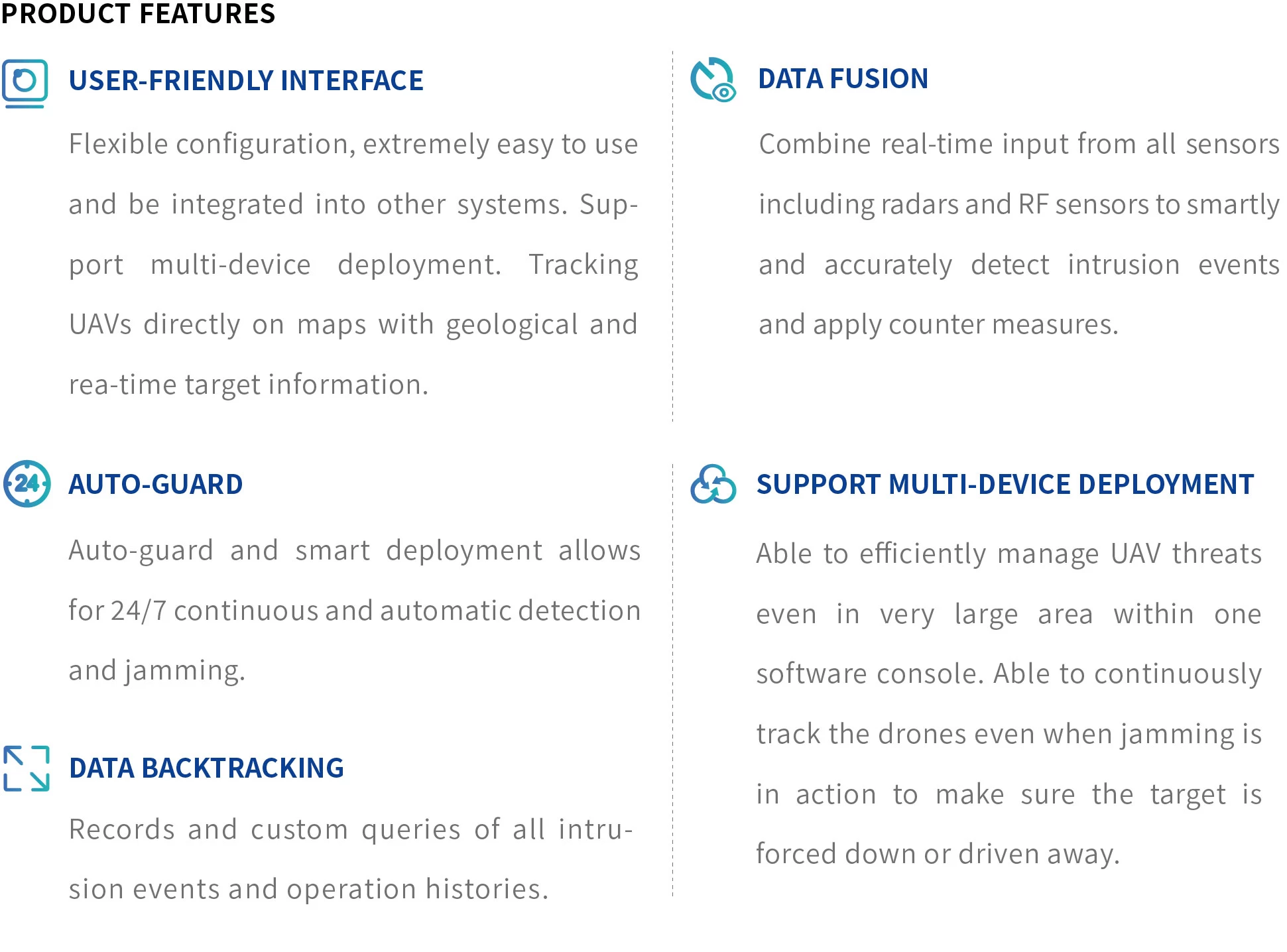
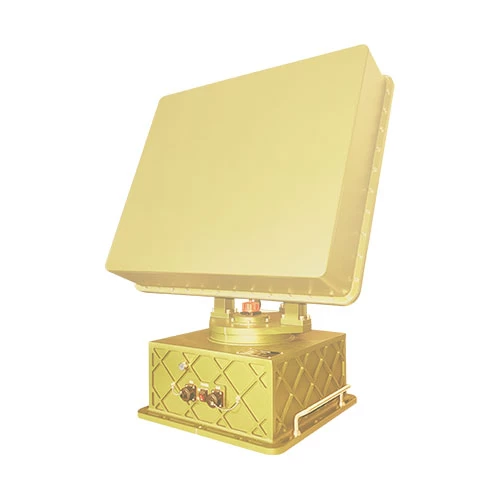
ʻO kahi'ōnaehanaʻo Anti-Uev Defence o Radar a iʻole nā'āpanaʻike RF, ʻO ka papa kuhikuhi eo a me nā'āpana jamming. Hoʻopili ka'ōnaehana hoʻonohonoho i kaʻike, nānā ' & 'ikeniole, kauoha & kāohi i ka jamming, nā hana hana i hoʻokahi. E pili ana i nā hiʻohiʻona noi likeʻole, Hiki i ka'ōnaehana ke hoʻokaʻawale i kahi hopena maikaʻi loa ma ke kohoʻana i nā'āpanaʻikeʻokoʻa a me nā kelepona. Hiki ke hoʻopaʻaʻia nā hoʻoponopono i ka hoʻonohonohoʻana, ʻO nā kelepona kelepona i kauʻia a iʻole. E keʻano hoʻonohonoho paʻa, Ua hoʻohana nuiʻia nā loiloi i ka pae palekana palekana palekana kiʻekiʻe, Ua hoʻohana maʻamauʻia nā kaʻa i kauʻia no ka patol a iʻole, a ua hoʻohana nuiʻia kaʻano portable no ka paleʻana i ka paleʻana & kāohi i ka hālāwai kūkā, Nā hanana hana hoʻomaʻamaʻa, Concert etc.


WeChat
E nānā i ka QR Code me ka wechat