 PEDAGANG TV
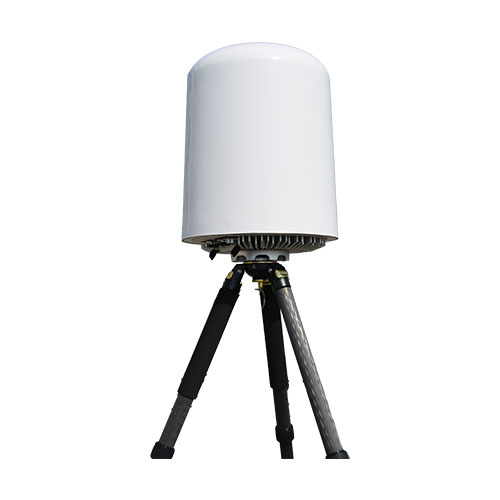
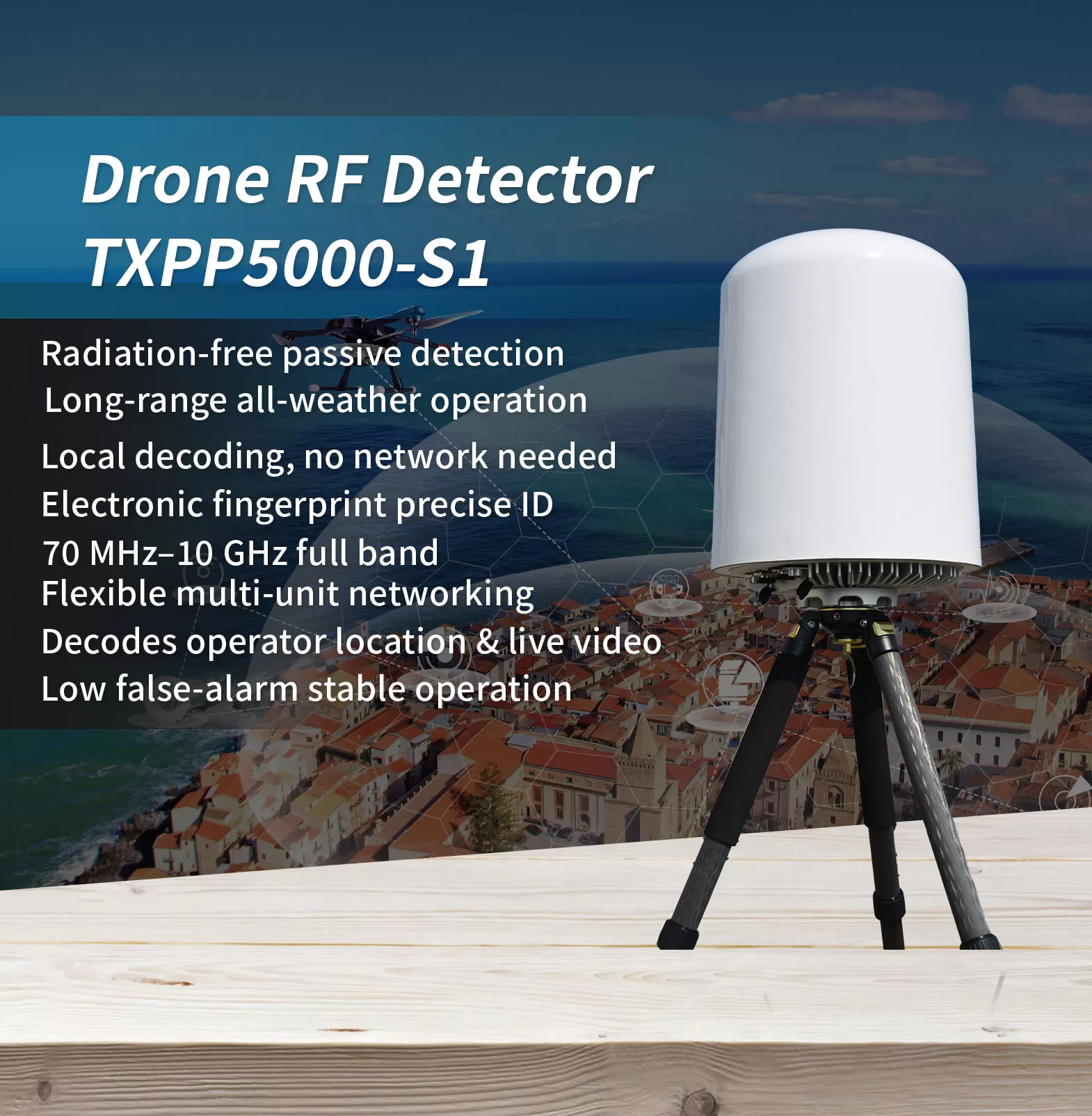
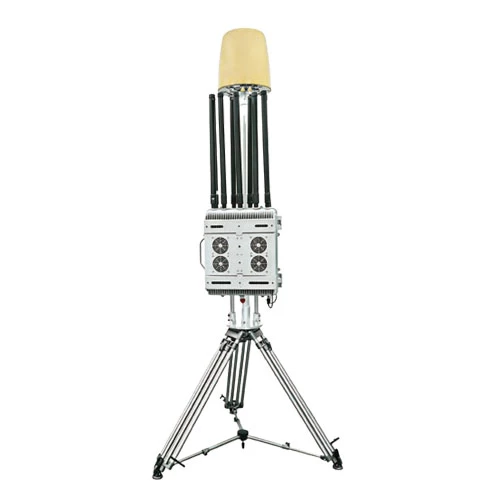
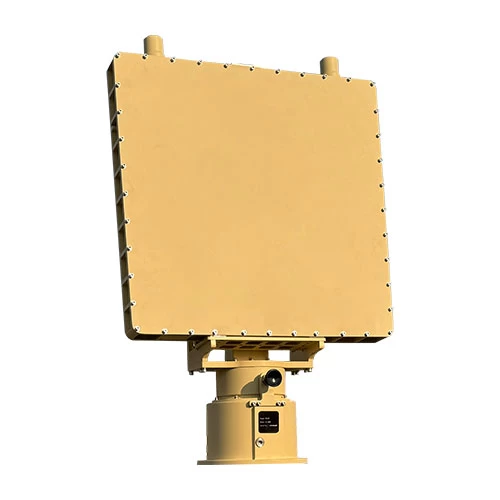
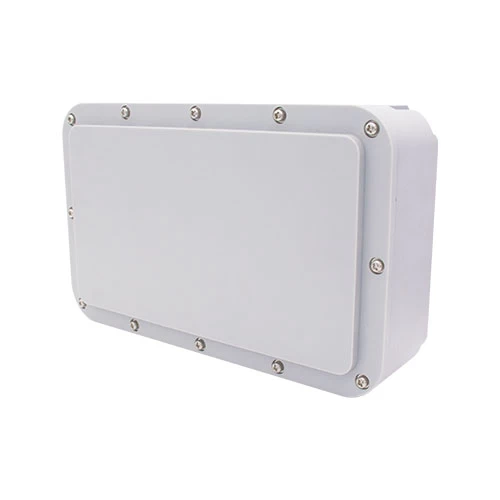
In the landscape of low-altitude threats, the hardest targets to defend against are often the ones you cannot see. drone FPV, modified UAVs, and low-flying “rogue” aircraft frequently evade cameras and radar—yet they cannot hide from radio frequency. This radio detection equipment passively intercepts drone signals without emitting high-power electromagnetic radiation, and keeps working continuously through rain, kabut, pepeteng, and building obstructions.
Covering a wide 70 MHz to 10 GHz band (subject to local frequency regulations), it identifies drone video and control links and simultaneously tracks more than 40 target, with a detection range beyond 5 km that can reach 10 km under favorable conditions, while operating with a low false-alarm rate. It captures the drone’s unique electronic fingerprint (SN), distinguishing individual airframes of the same model and resolving the operator’s location; it decodes domestic and international Remote ID standards such as GB42590-2023, ASTM F3411-22a, and ASD-STAN PrEN4709-002, as well as DJI Drone-ID; it also decodes civil aviation ADS-B broadcasts to provide real-time position information.
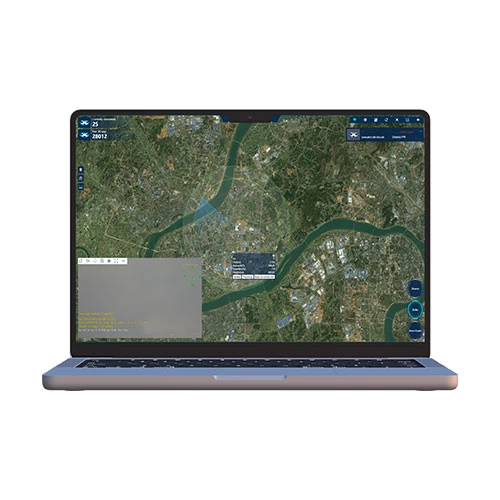
With average power consumption not exceeding 100 W and support for 7×24 unattended operation, it features built-in GPS auto north-alignment and multi-unit networking for 360° full-airspace coverage and cross-location, with linked execution of countermeasure strategies. A Web interface and RESTful API make it easy to integrate into existing security platforms. It is widely suited to low-altitude detection and operator tracing at airports, pakunjaran, oil depots, borders, and other critical sites.
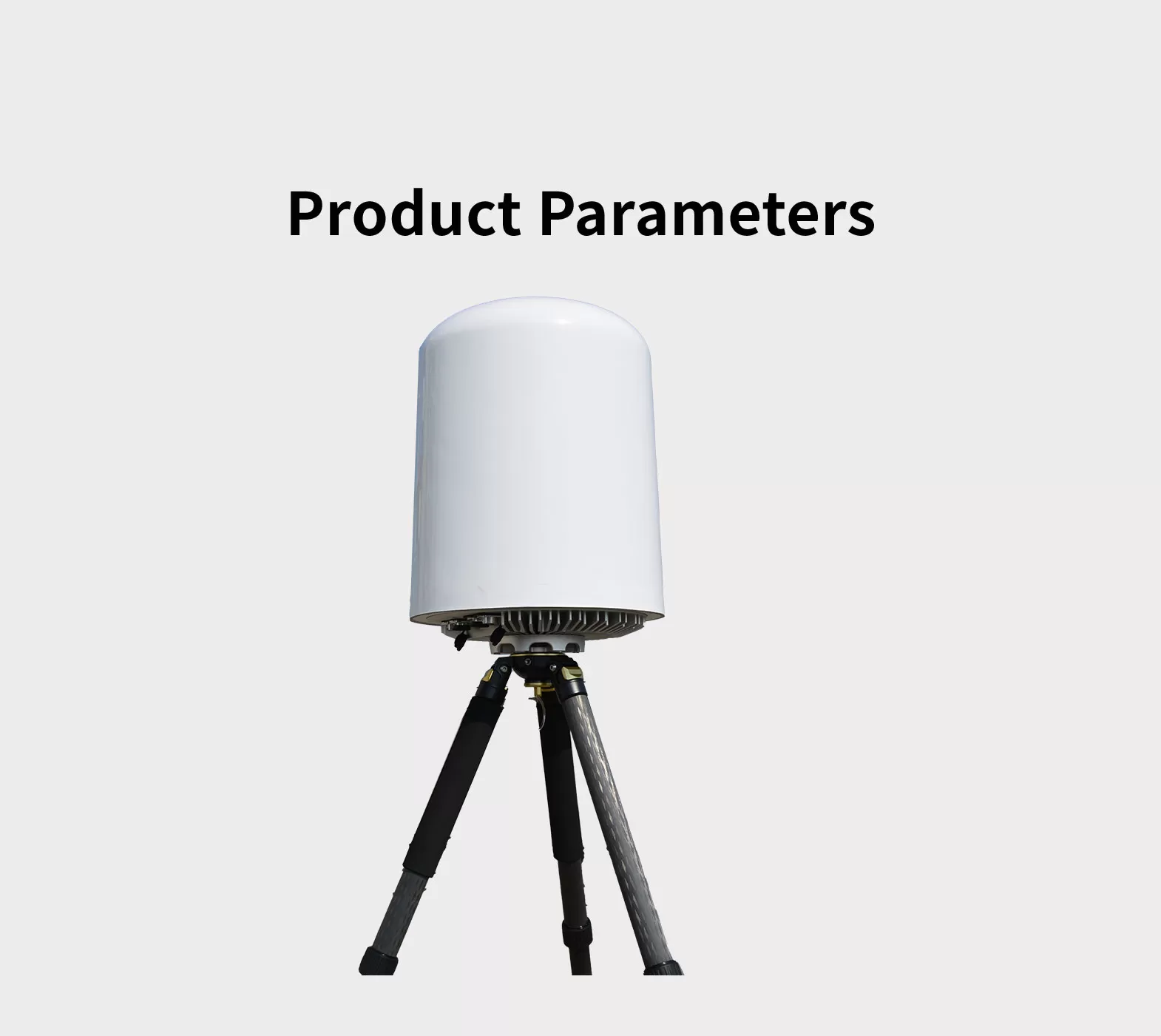
*Elinga yen penampilan kasebut, Spesifikasi lan fungsi bisa beda tanpa kabar.
| Model | TXPP5000-S1 |
| Frequency range | 70 MHz ~ 10 GHz |
| Range deteksi maksimal | ≥3 mil (5 KM) Maximum detection distance can exceed 6 miles (10 KM); actual performance may vary depending on the electromagnetic environment and drone type.) |
| Direction finding accuracy | ≤20°(RMS, Drone hovering condition; applicable to 2.4 GHz an 5 GHz bands only.) |
| Max bebarengan nglacak | ≥40 |
| Maximum detectable target speed | ≥±66 ft/s (±20 m/s) |
| Jangkoan Azimuth | 0 ~ 360 ° |
| Cakupan elevasi | 0 ~ 90°
|
| Pasokan listrik | AC 80 ~ 264V / DC 113 ~ 370V |
| Konsumsi daya | ≤ 100W |
| Suhu | -20 ~ +60°C |
| Ukuran | ≤ 14 × 20 Ing (350*480 mm) (Diameter*Height) |
| Bobot | ≤ 33 lbs (15 kg) (Main unit only, excluding mounting bracket) |
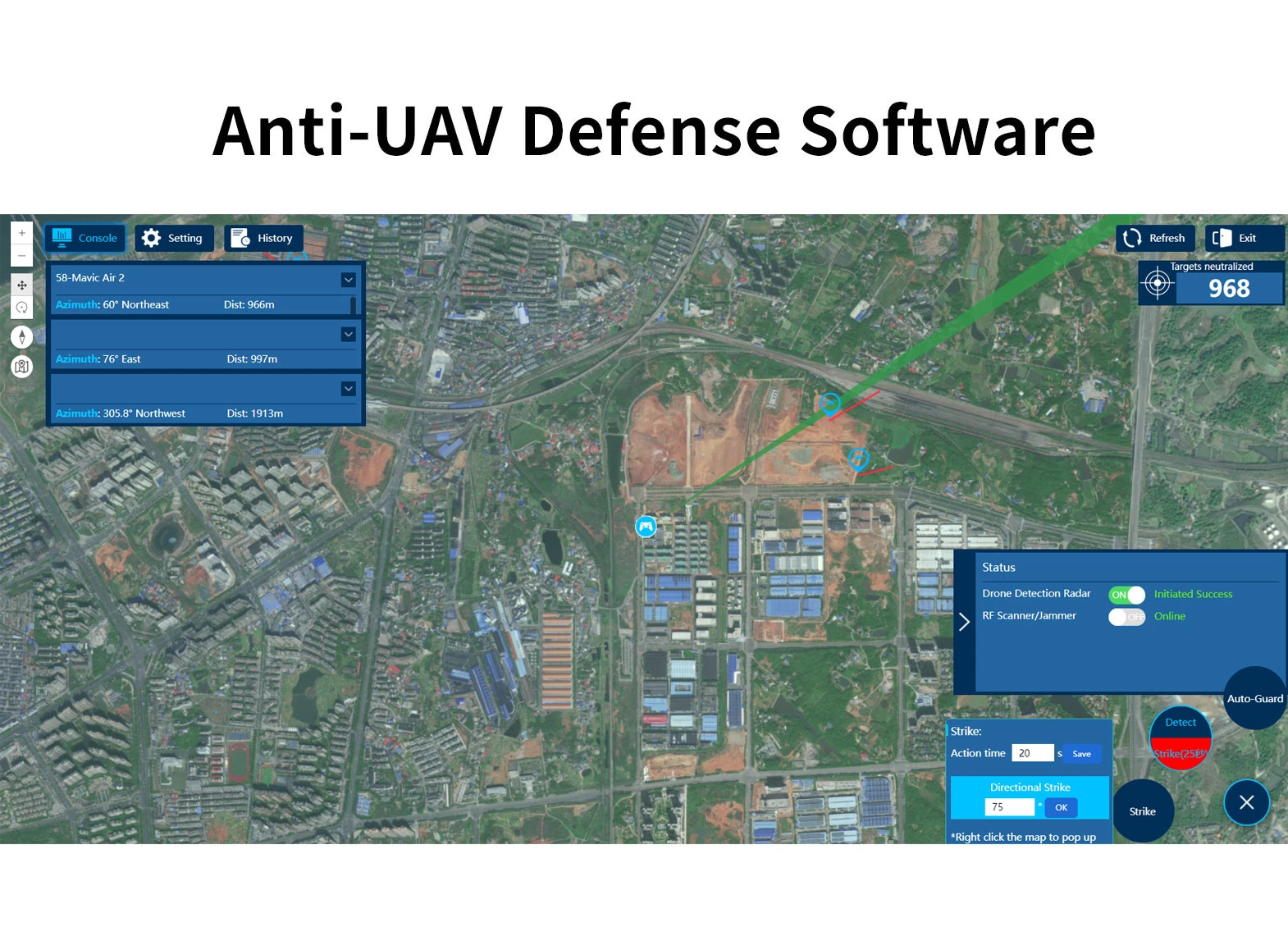
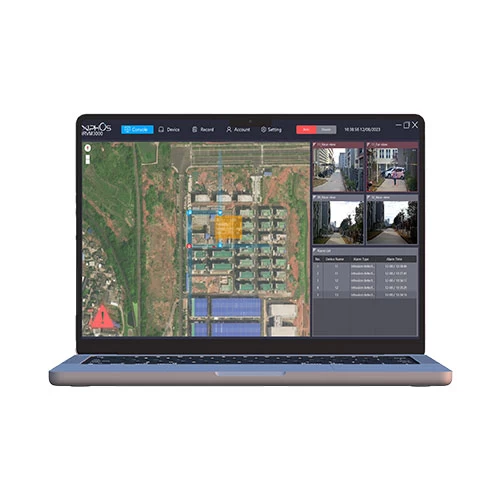
Sistem Pertahanan Anti-UAV kasusun saka peralatan ngarep kayata radar deteksi, Detektor RF, Kamera pelacak E/O, RF jamming utawa piranti spoofing lan piranti lunak platform kontrol UAV. Nalika drone mlebu zona pertahanan, unit deteksi output informasi posisi akurat liwat kadohan aktif, sudut, kacepetan lan dhuwur. Nalika mlebu zona bebaya, sistem bakal nemtokake independen lan miwiti piranti jamming kanggo ngganggu komunikasi mbengung, supaya drone bali utawa landing. Sistem ndhukung multi piranti lan manajemen multi zona lan bisa éling 7*24 ngawasi kabeh cuaca lan pangayoman marang invasi drone.
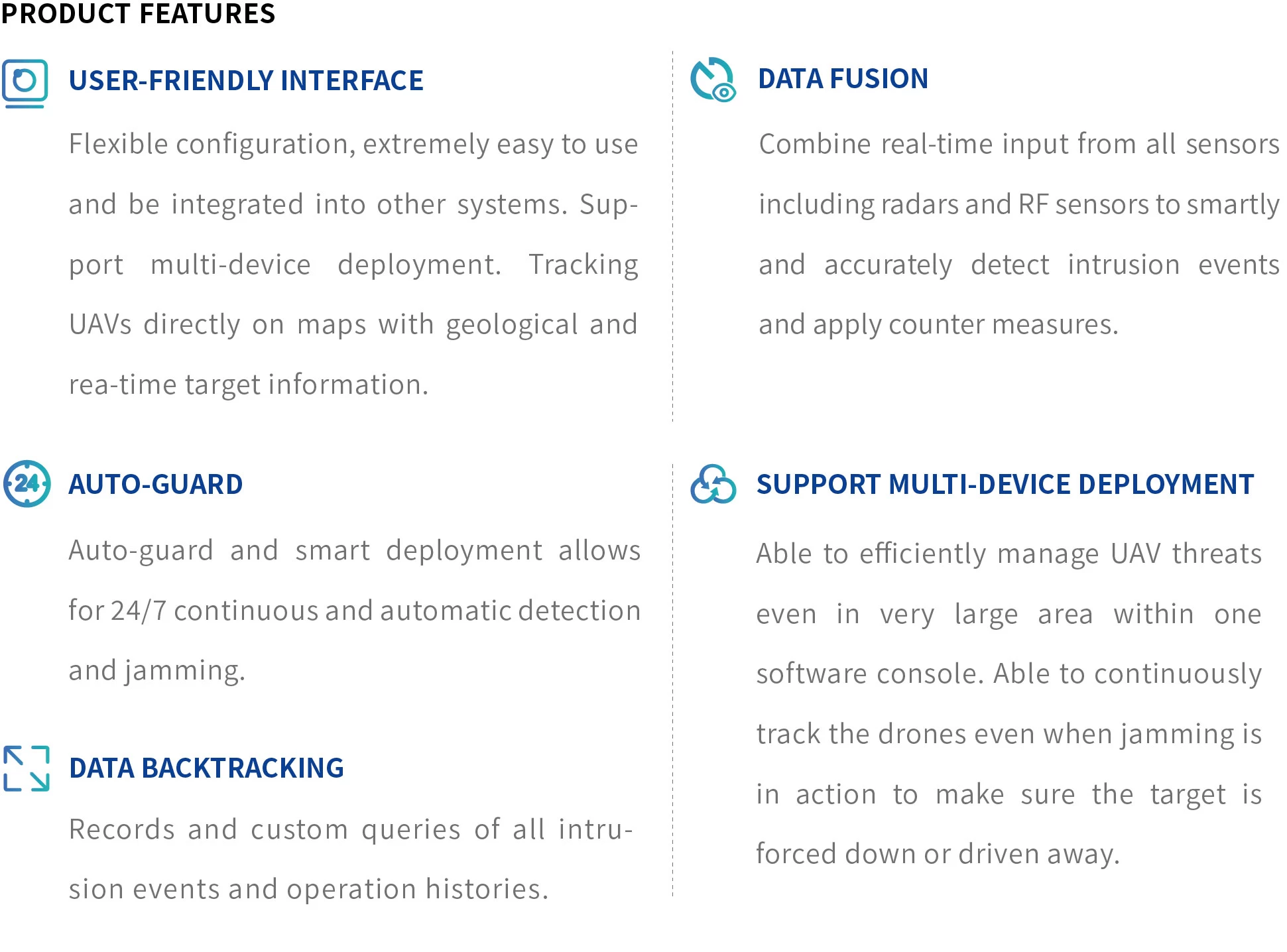
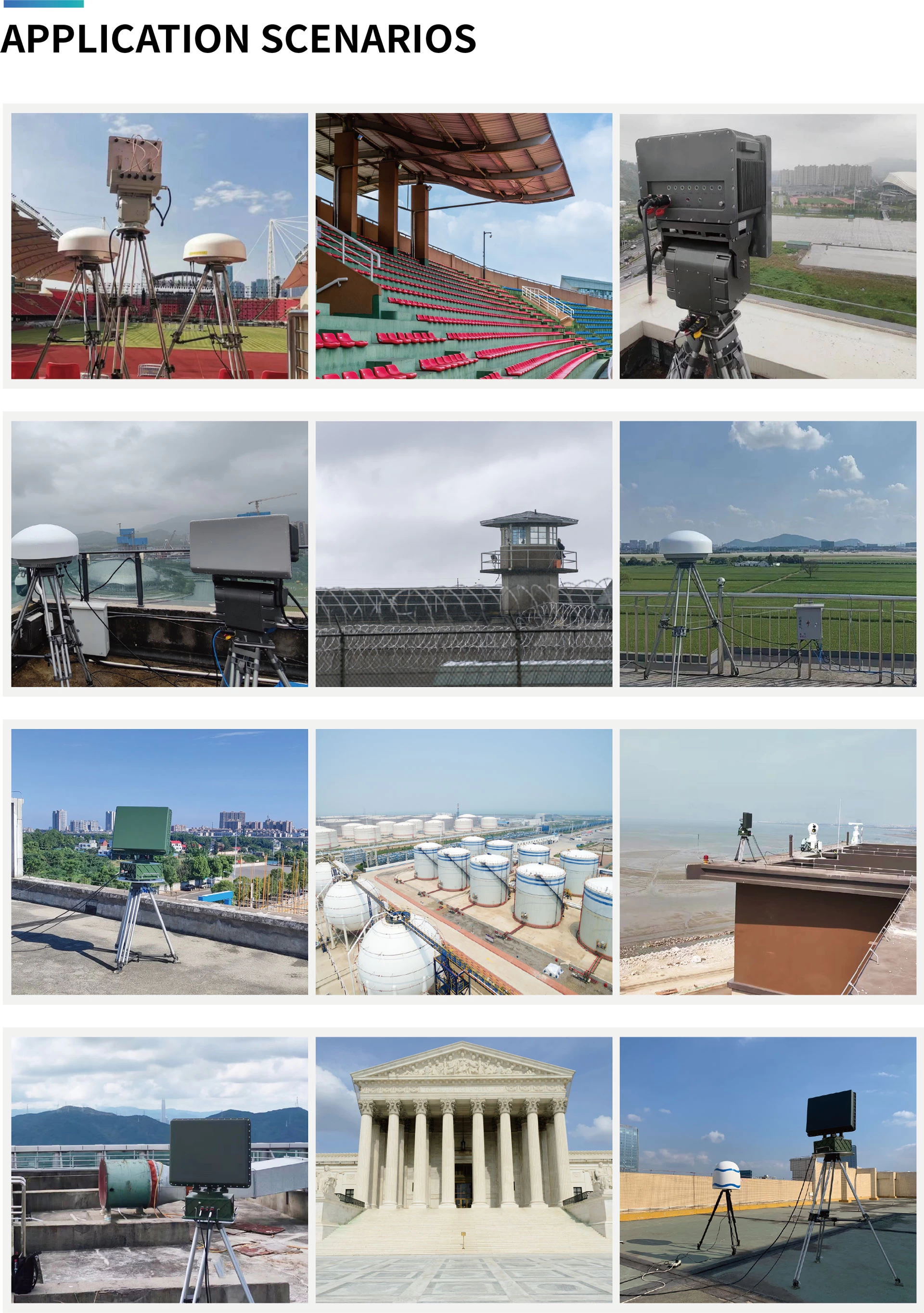
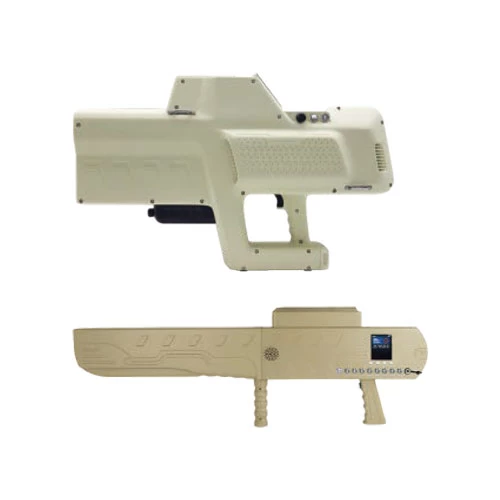
Sistem Pertahanan Anti-UAV kasusun saka radar utawa unit deteksi RF, Unit pelacak EO lan unit jamming. Sistem kasebut nggabungake deteksi target, nglacak & pangenalan, dhawuh & kontrol ing jamming, multi fungsi ing siji. Adhedhasar skenario aplikasi sing beda, sistem bisa fleksibel tugasaken menyang solusi optimal kanthi milih Unit deteksi beda lan piranti jamming. AUDS bisa tetep instalasi, mobil dipasang utawa portabel. Miturut jinis instalasi tetep, AUDS digunakake digunakake ing situs pangayoman keamanan tingkat dhuwur, Tipe dipasang kendharaan biasane digunakake kanggo rutin patroli utawa luwih, lan jinis portabel digunakake akeh kanggo nyegah sauntara & Kontrol ing Konferensi Key, Acara Olahraga, konser etc.



WeChat
Scan QR Code nganggo wechat