 ពាណិជ្ជករទូរទស្សន៍
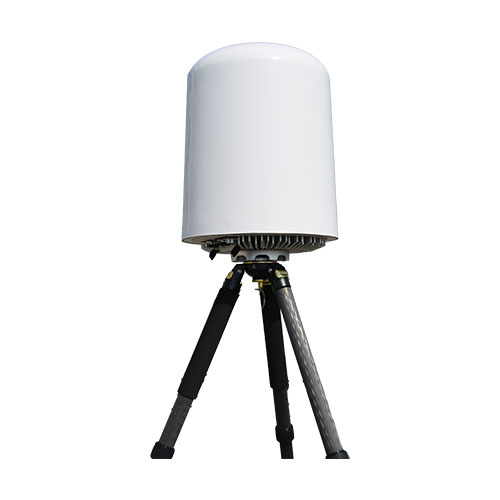
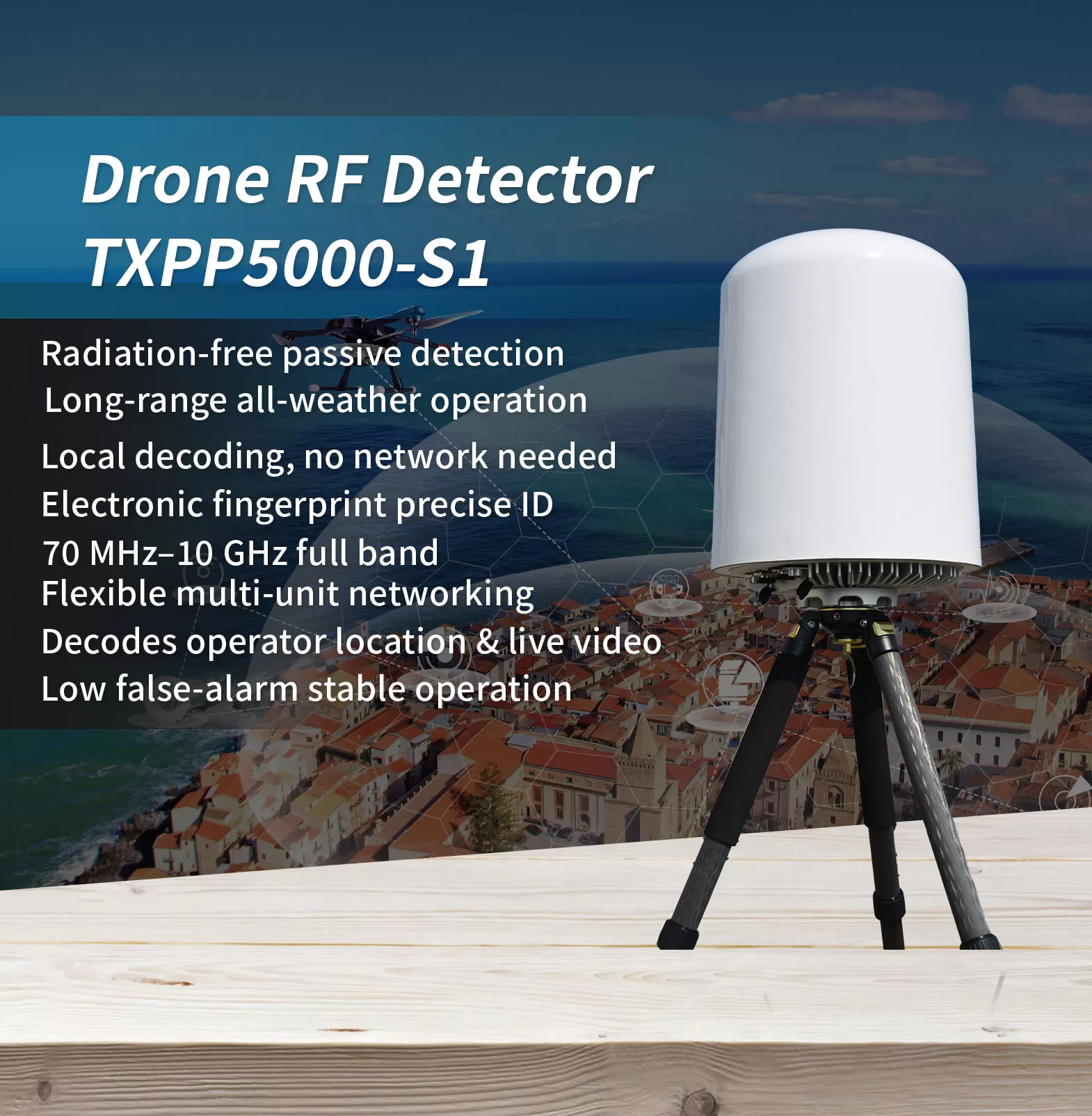
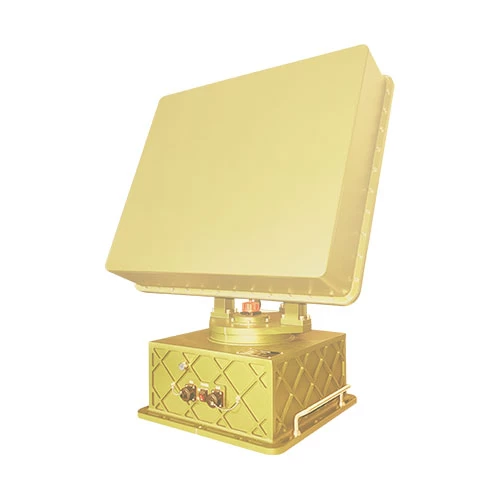
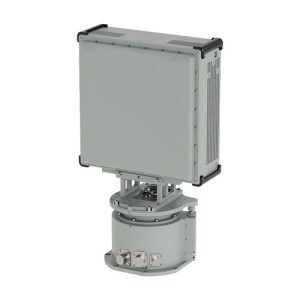
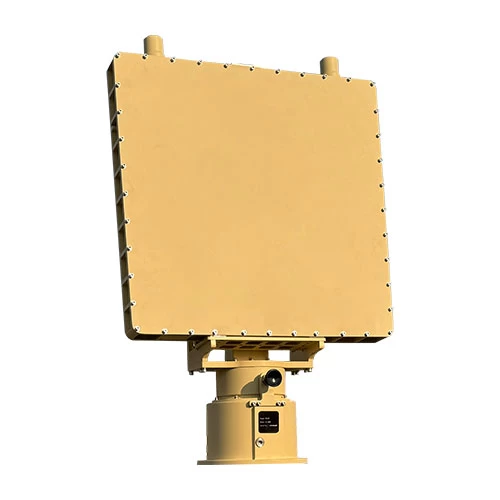
In the landscape of low-altitude threats, the hardest targets to defend against are often the ones you cannot see. យន្តហោះគ្មានមនុស្សបើក FPV, modified UAVs, and low-flying “rogue” aircraft frequently evade cameras and radar—yet they cannot hide from radio frequency. This radio detection equipment passively intercepts drone signals without emitting high-power electromagnetic radiation, and keeps working continuously through rain, អ័បវ, ភាពងងឹត, and building obstructions.
Covering a wide 70 MHz to 10 GHz band (subject to local frequency regulations), it identifies drone video and control links and simultaneously tracks more than 40 គោលដៅ, with a detection range beyond 5 km that can reach 10 km under favorable conditions, while operating with a low false-alarm rate. It captures the drone’s unique electronic fingerprint (SN), distinguishing individual airframes of the same model and resolving the operator’s location; it decodes domestic and international Remote ID standards such as GB42590-2023, ASTM F3411-22a, and ASD-STAN PrEN4709-002, as well as DJI Drone-ID; it also decodes civil aviation ADS-B broadcasts to provide real-time position information.
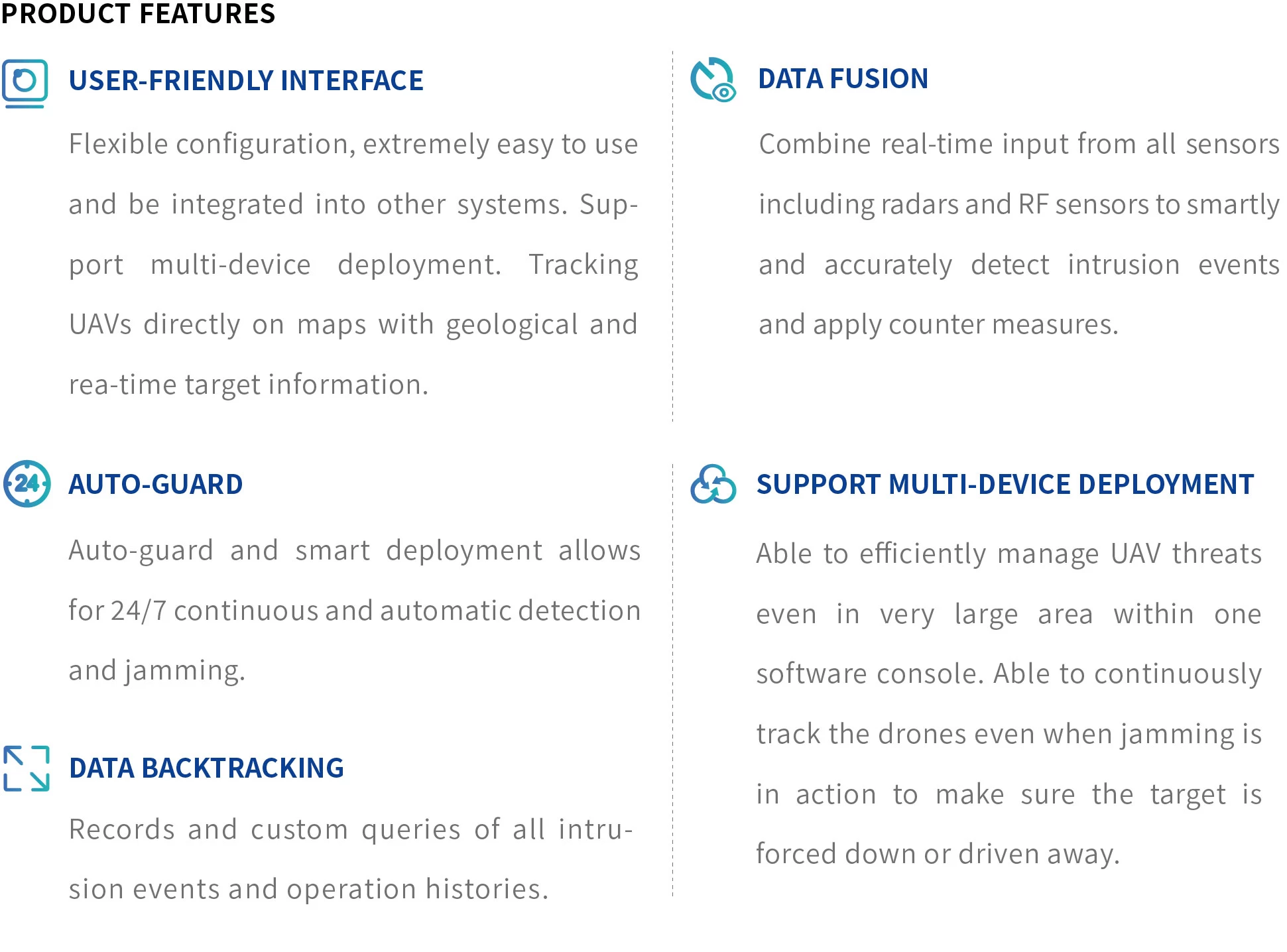
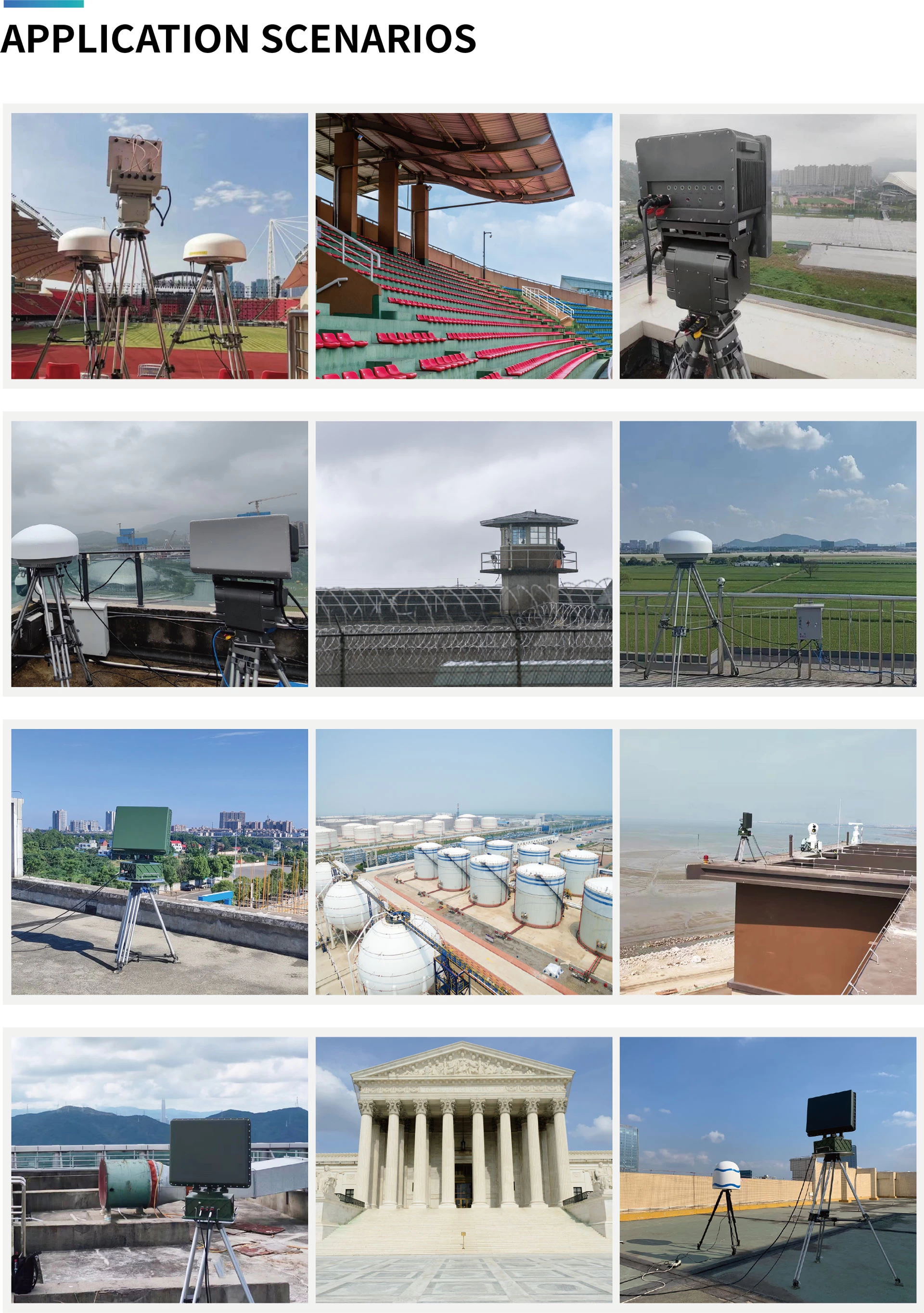
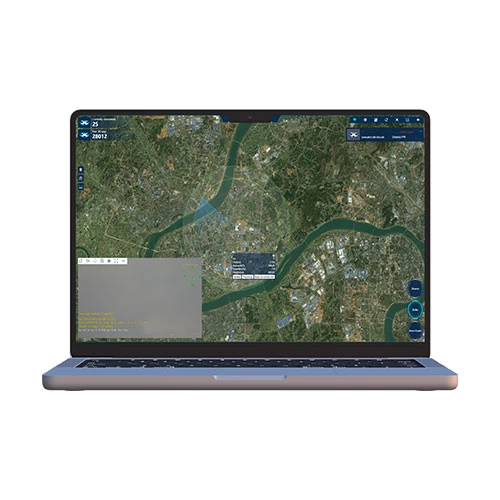
With average power consumption not exceeding 100 W and support for 7×24 unattended operation, it features built-in GPS auto north-alignment and multi-unit networking for 360° full-airspace coverage and cross-location, with linked execution of countermeasure strategies. A Web interface and RESTful API make it easy to integrate into existing security platforms. It is widely suited to low-altitude detection and operator tracing at airports, តតយយ, oil depots, borders, and other critical sites.
*ចំណាំថាការបង្ហាញខ្លួន, លក្ខណៈពិសេសនិងមុខងារអាចខុសគ្នាដោយគ្មានការជូនដំណឹងជាមុន.
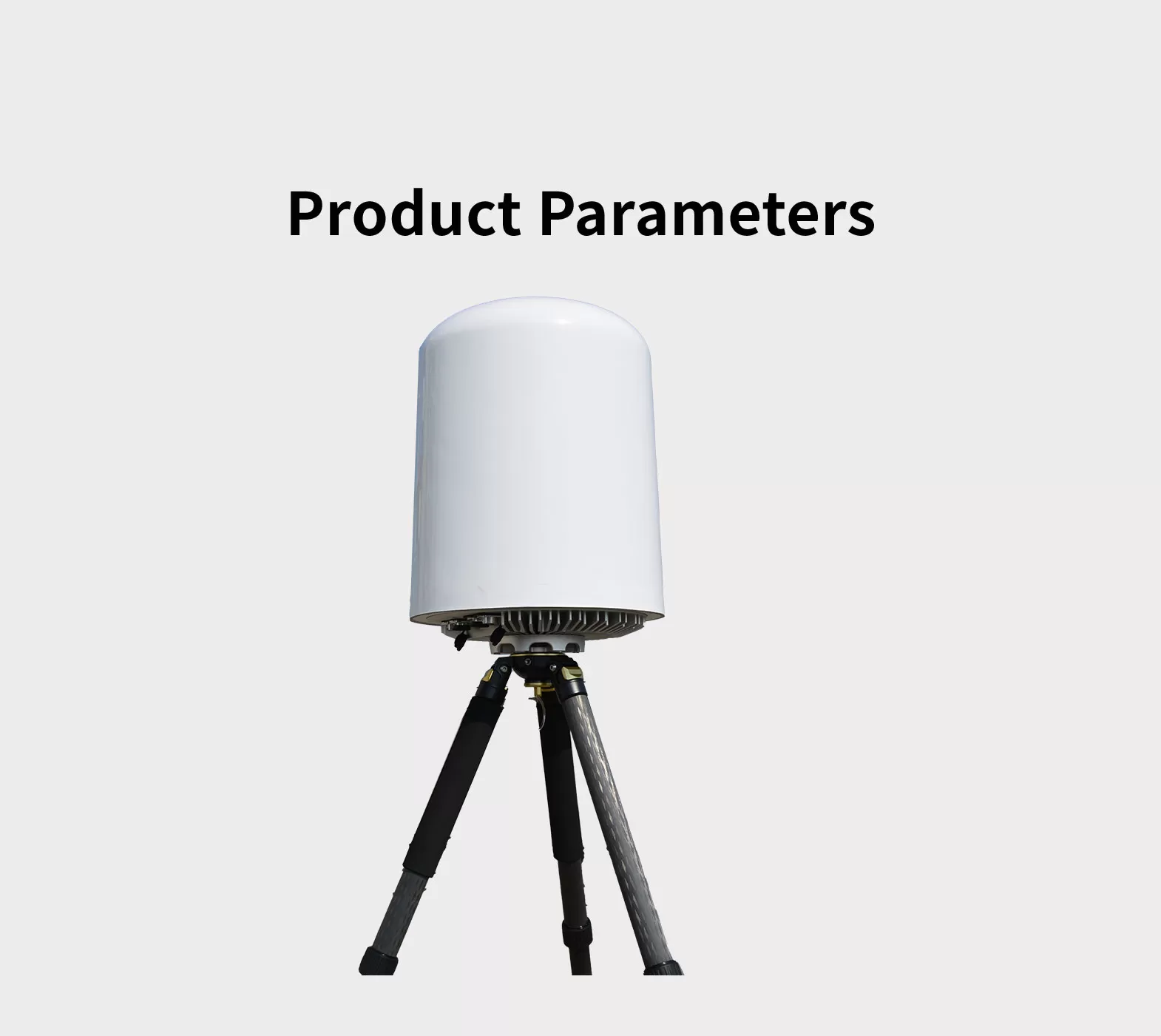
| គំរូ | TXPP5000-S1 |
| Frequency range | 70 MHz ~ 10 GHz |
| ជួររកឃើញអតិបរមា | ≥3 ម៉ាយ (5 គីឡូម៉ែត្រ) Maximum detection distance can exceed 6 miles (10 គីឡូម៉ែត្រ); actual performance may vary depending on the electromagnetic environment and drone type.) |
| Direction finding accuracy | ≤20°(rms, Drone hovering condition; applicable to 2.4 GHz an 5 GHz bands only.) |
| អតិបរមាក្នុងពេលដំណាលគ្នា។ ការតាមដាន | ≥40 |
| Maximum detectable target speed | ≥±66 ft/s (±20 m/s) |
| គ្របដណ្តប់ Azimuth | 0 ~ 360 អង្សារ |
| ការគ្របដណ្តប់លើកម្ពស់ | 0 ~ 90°
|
| ការផ្គត់ផ្គង់ថាមពល | AC 80 ~ 264V / DC 113 ~ 370V |
| ការប្រើប្រាស់ថាមពល | ≤ 100W |
| សីតុណ្ហភាពការងារ | -20 ~ +60°C |
| វិមាត្រ | ឹម 14 × 20 នៅក្នុង (350*480 ម) (Diameter*Height) |
| តមងន់ | ឹម 33 lbs (15 ខេក) (Main unit only, excluding mounting bracket) |
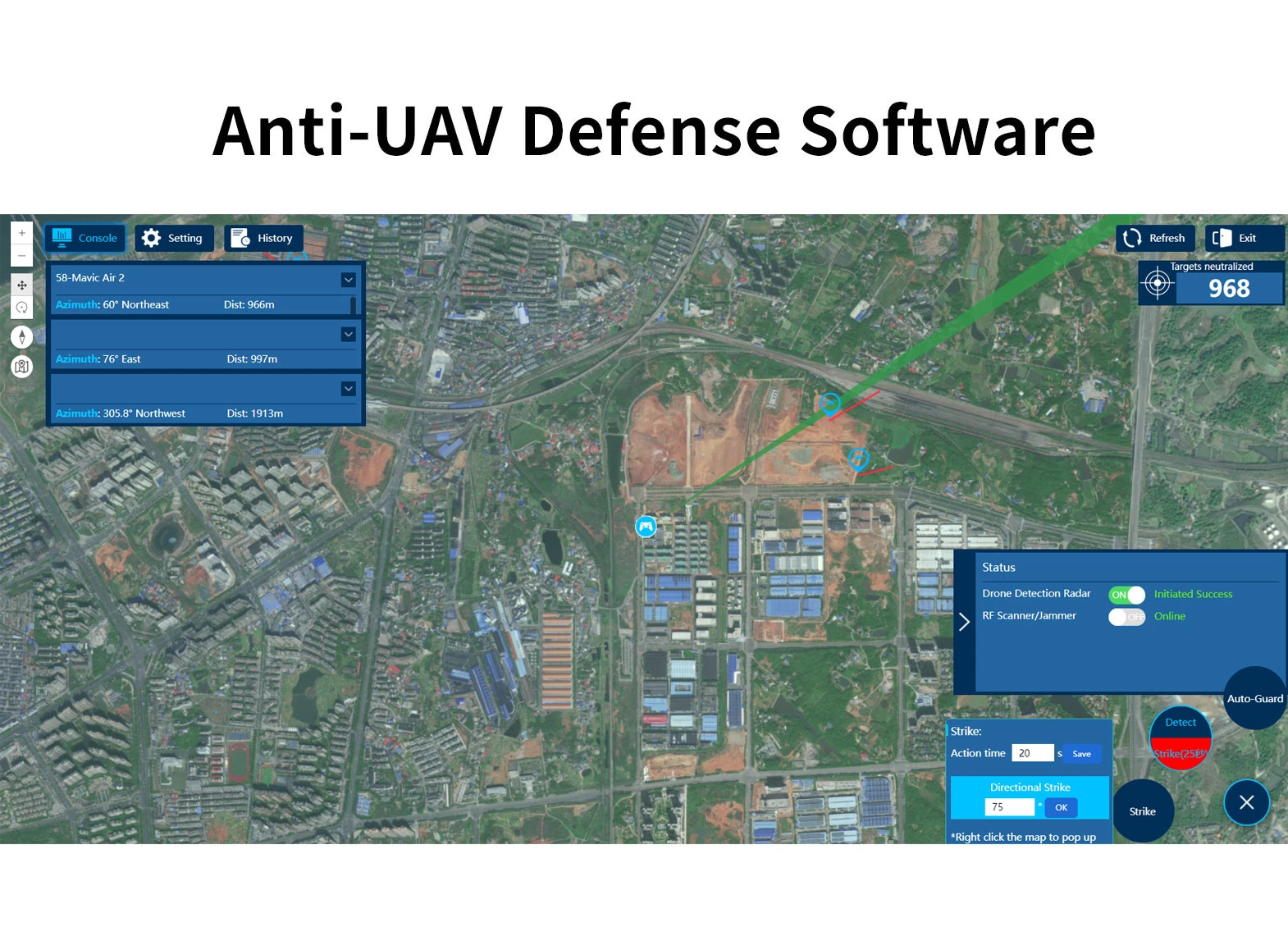
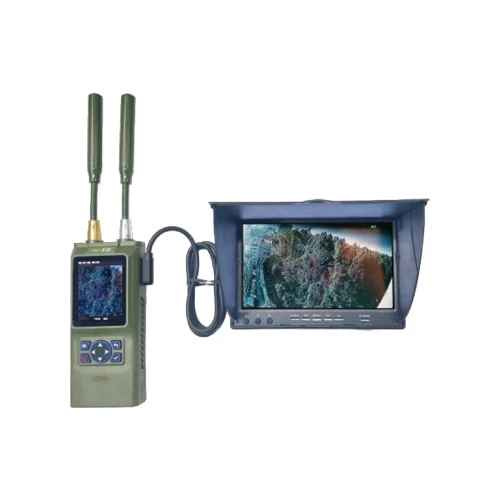
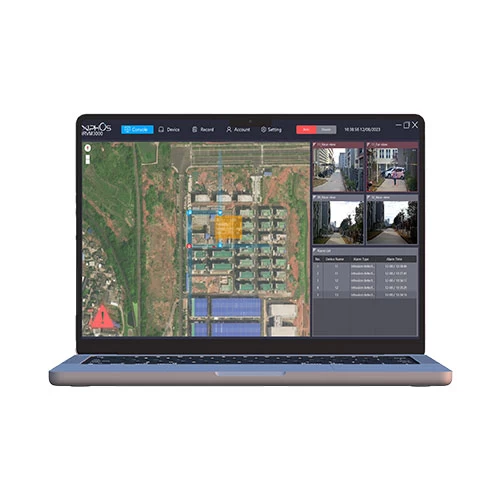
ប្រព័ន្ធការពារប្រឆាំង UAV ត្រូវបានផ្សំឡើងដោយឧបករណ៍ខាងមុខ ដូចជារ៉ាដារាវរកជាដើម។, ឧបករណ៍ចាប់សញ្ញា RF, កាមេរ៉ាតាមដាន E/O, ឧបករណ៍បញ្ឆោត ឬក្លែងបន្លំ RF និងកម្មវិធីវេទិកាគ្រប់គ្រង UAV. នៅពេលយន្តហោះគ្មានមនុស្សបើកចូលតំបន់ការពារ, អង្គភាពរាវរកបញ្ចេញព័ត៌មានទីតាំងត្រឹមត្រូវតាមរយៈចម្ងាយសកម្ម, មុំ, ល្បឿននិងកម្ពស់. ពេលចូលទៅក្នុងតំបន់ព្រមាន, ប្រព័ន្ធនឹងកំណត់ដោយឯករាជ្យ ហើយចាប់ផ្តើមឧបករណ៍ស្ទះដើម្បីរំខានដល់ការទំនាក់ទំនងរបស់យន្តហោះគ្មានមនុស្សបើក, ដើម្បីធ្វើឱ្យ Drone ត្រឡប់មកវិញ ឬចុះចត. ប្រព័ន្ធនេះគាំទ្រឧបករណ៍ច្រើន និងការគ្រប់គ្រងតំបន់ច្រើន ហើយអាចដឹងបាន។ 7*24 ការត្រួតពិនិត្យគ្រប់អាកាសធាតុ និងការការពារប្រឆាំងនឹងការលុកលុយរបស់យន្តហោះគ្មានមនុស្សបើក.
ប្រព័ន្ធការពារប្រឆាំង UAV មានប្រព័ន្ធរ៉ាដា ឬ RF រាវរក, អង្គភាពតាមដាន EO និងអង្គភាពកកស្ទះ. ប្រព័ន្ធរួមបញ្ចូលការរកឃើញគោលដៅ, ការតាមដាន & ការទទួលស្គាល់, បញ្ជា & គ្រប់គ្រងការកកស្ទះ, មុខងារច្រើននៅក្នុងមួយ។. ផ្អែកលើសេណារីយ៉ូកម្មវិធីផ្សេងៗ, ប្រព័ន្ធអាចត្រូវបានដាក់ពង្រាយយ៉ាងបត់បែនទៅក្នុងដំណោះស្រាយដ៏ល្អប្រសើរមួយ ដោយជ្រើសរើសឯកតារាវរក និងឧបករណ៍ស្ទះផ្សេងៗ. AUDS អាចត្រូវបានជួសជុល, យានជំនិះចល័ត ឬចល័ត. តាមប្រភេទនៃការដំឡើងថេរ, AUDS ត្រូវបានគេប្រើយ៉ាងទូលំទូលាយនៅក្នុងគេហទំព័រការពារសុវត្ថិភាពកម្រិតខ្ពស់, ប្រភេទដែលដាក់លើរថយន្តត្រូវបានប្រើជាធម្មតាសម្រាប់ការល្បាតជាប្រចាំ ឬច្រើនជាងនេះ។, និងប្រភេទចល័តត្រូវបានគេប្រើច្រើនសម្រាប់ការបង្ការបណ្តោះអាសន្ន & ការគ្រប់គ្រងនៅក្នុងសន្និសីទសំខាន់, ព្រឹត្តិការណ៍កីឡា, ការប្រគុំតន្ត្រីជាដើម។.

WeChat
ស្កែន QR Code ជាមួយ wechat