 TV oniṣòwo
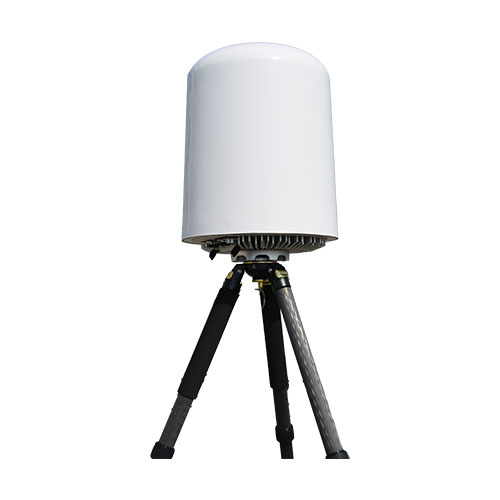
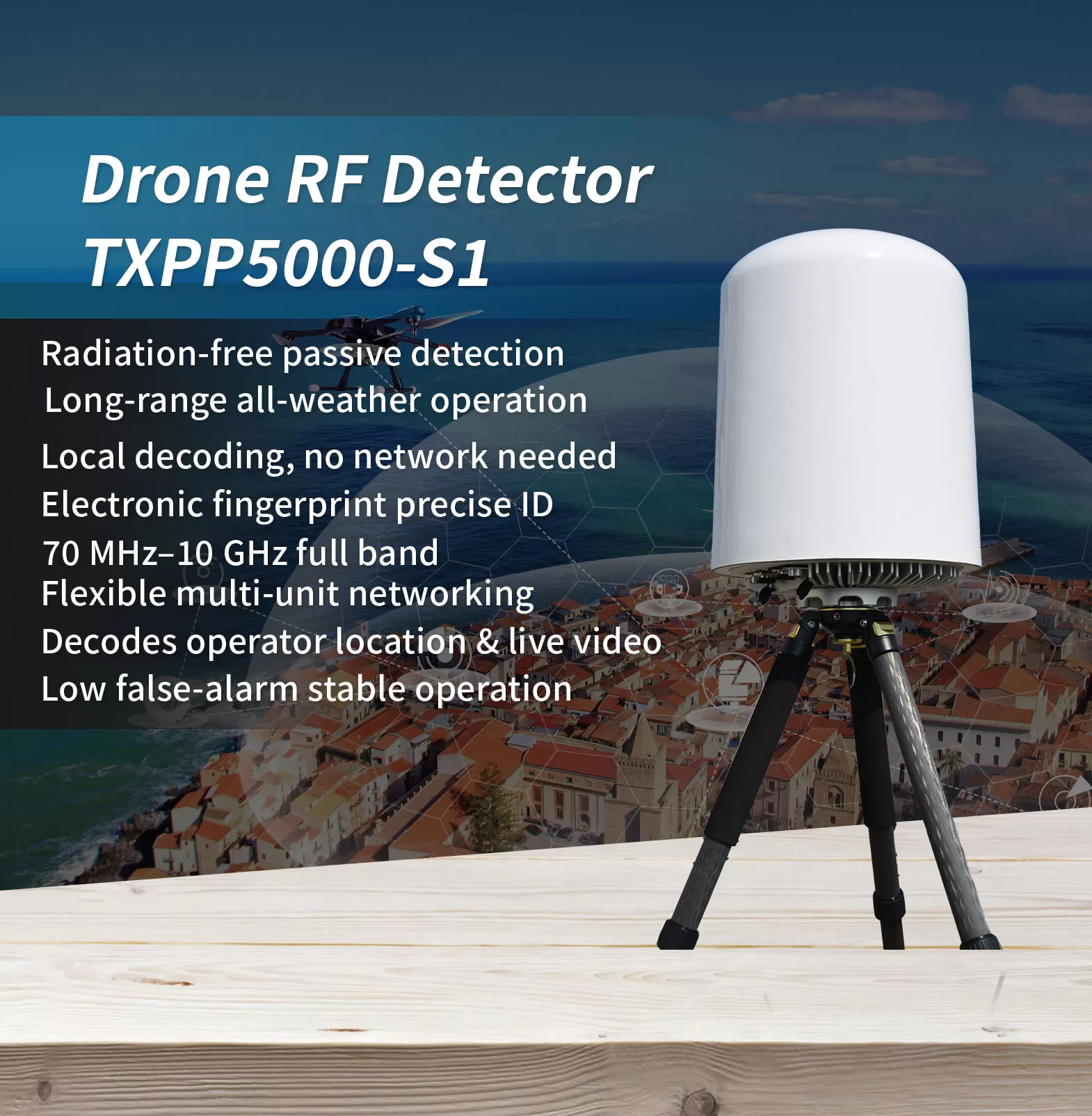
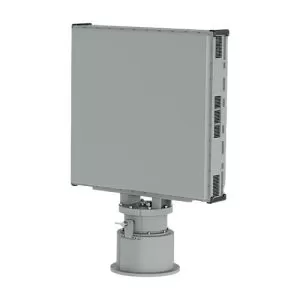
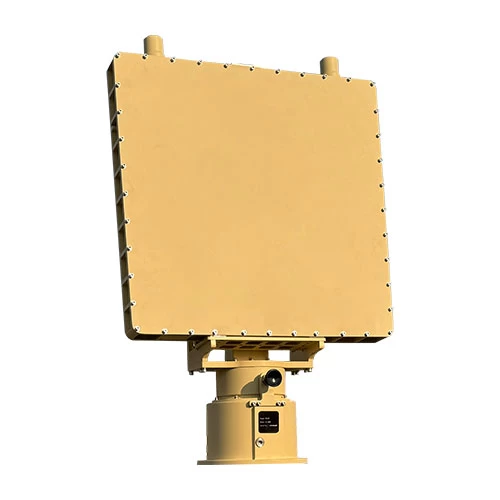
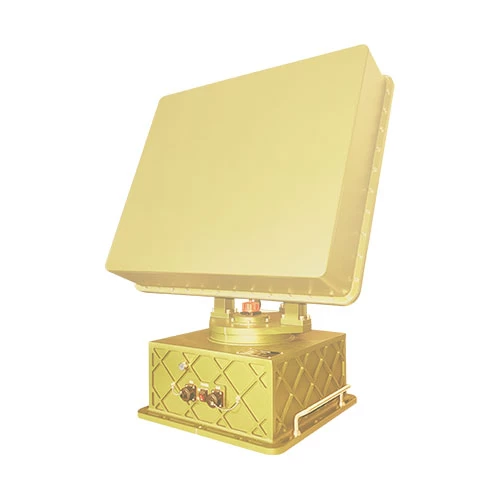
In the landscape of low-altitude threats, the hardest targets to defend against are often the ones you cannot see. Awọn ọkọ ofurufu FPV, modified UAVs, and low-flying “rogue” aircraft frequently evade cameras and radar—yet they cannot hide from radio frequency. This radio detection equipment passively intercepts drone signals without emitting high-power electromagnetic radiation, and keeps working continuously through rain, kurukuru, òkunkun, and building obstructions.
Covering a wide 70 MHz to 10 GHz band (subject to local frequency regulations), it identifies drone video and control links and simultaneously tracks more than 40 fojusi, with a detection range beyond 5 km that can reach 10 km under favorable conditions, while operating with a low false-alarm rate. It captures the drone’s unique electronic fingerprint (SN), distinguishing individual airframes of the same model and resolving the operator’s location; it decodes domestic and international Remote ID standards such as GB42590-2023, ASTM F3411-22a, and ASD-STAN PrEN4709-002, as well as DJI Drone-ID; it also decodes civil aviation ADS-B broadcasts to provide real-time position information.
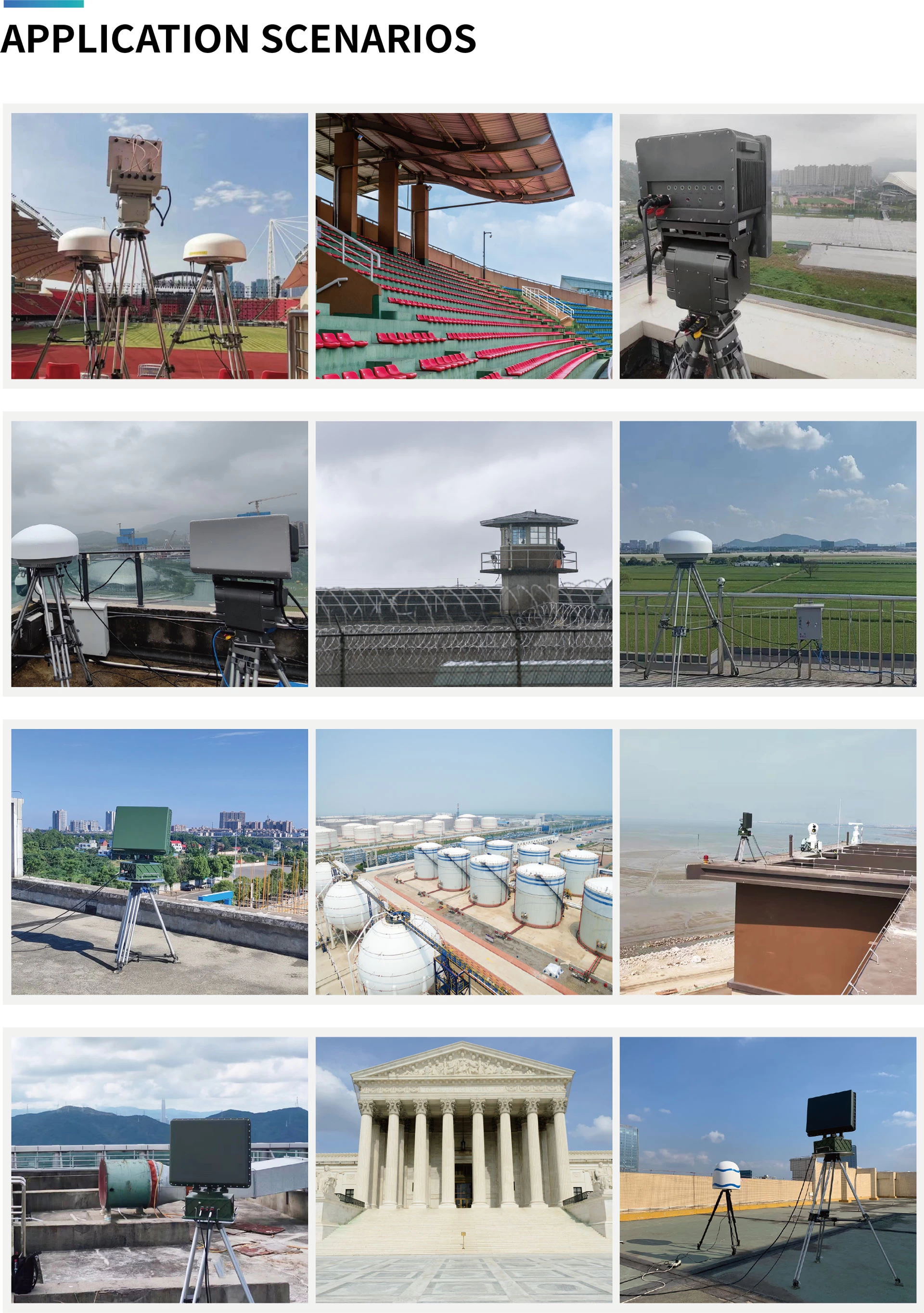
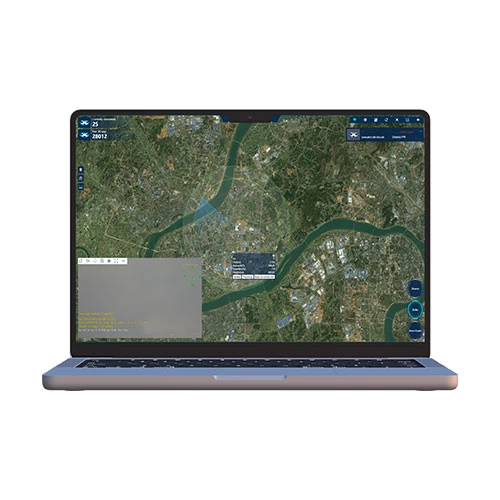
With average power consumption not exceeding 100 W and support for 7×24 unattended operation, it features built-in GPS auto north-alignment and multi-unit networking for 360° full-airspace coverage and cross-location, with linked execution of countermeasure strategies. A Web interface and RESTful API make it easy to integrate into existing security platforms. It is widely suited to low-altitude detection and operator tracing at airports, awọn ẹwọn, oil depots, borders, and other critical sites.
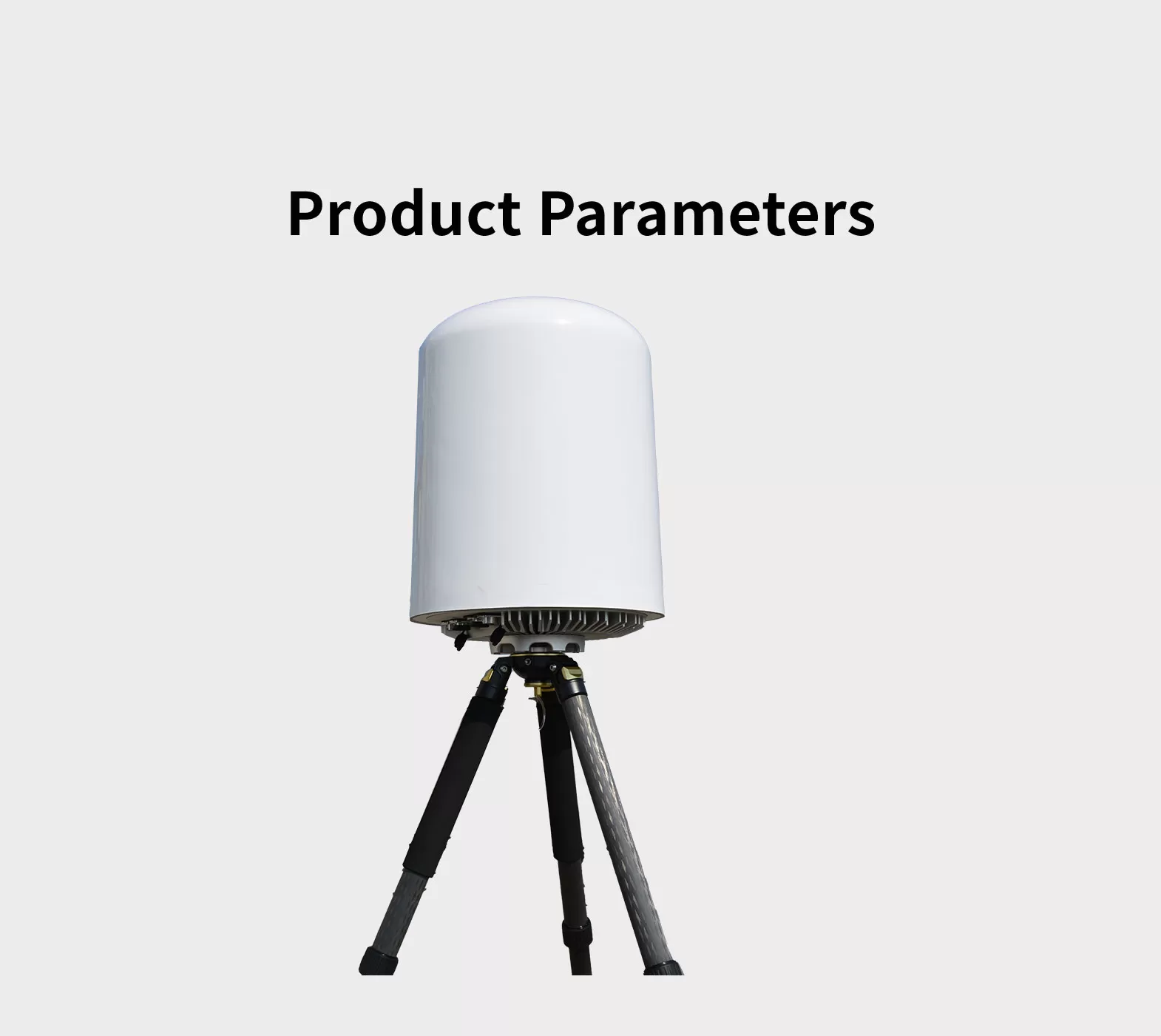
*Akiyesi pe awọn ifarahan, Awọn alaye ati awọn iṣẹ le yatọ laisi akiyesi.
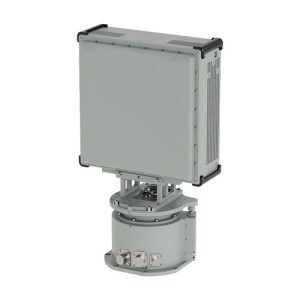
| Awoṣe | TXPP5000-S1 |
| Frequency range | 70 MHz ~ 10 GHz |
| Iwọn wiwa ti o pọju | ≥3 miles (5 km) Maximum detection distance can exceed 6 miles (10 km); actual performance may vary depending on the electromagnetic environment and drone type.) |
| Direction finding accuracy | ≤20°(Rms, Drone hovering condition; applicable to 2.4 GHz an 5 GHz bands only.) |
| Max nigbakanna ipasẹ | ≥40 |
| Maximum detectable target speed | ≥±66 ft/s (±20 m/s) |
| Azimuth coverage | 0 ~ 360 ° |
| Elevation coverage | 0 ~ 90°
|
| Ibi ti ina elekitiriki ti nwa | AC 80 ~ 264V / DC 113 ~ 370V |
| Agbara agbara | ≤ 100W |
| Iwọn otutu ṣiṣẹ | -20 ~ +60°C |
| Awọn iwọn | La 14 × 20 ninu (350*480 mm) (Diameter*Height) |
| Iwuwo | La 33 lbs (15 kg) (Main unit only, excluding mounting bracket) |
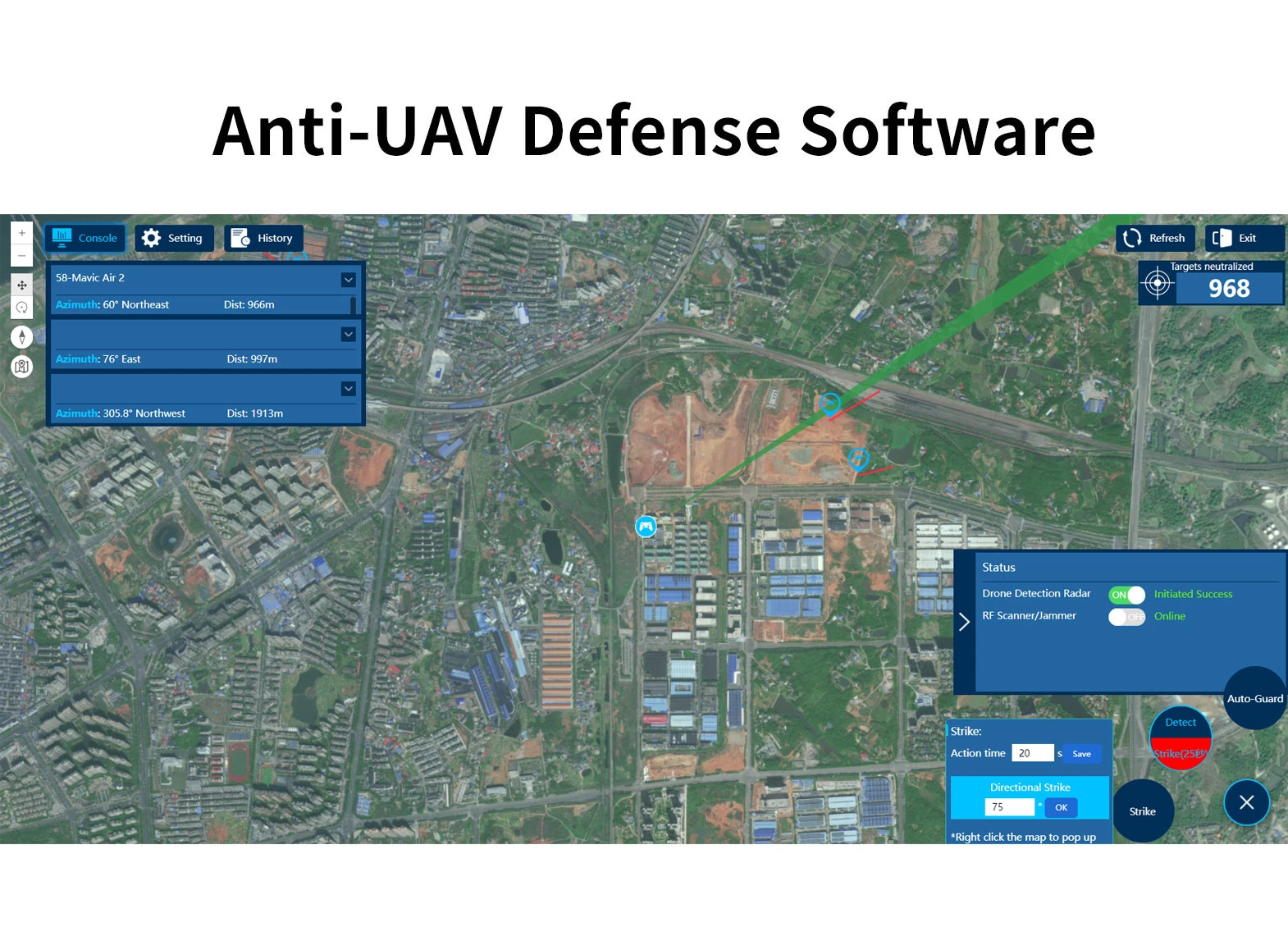
Eto idaabobo UV ni awọn ohun elo iwaju ti o wa ni awọn ohun elo ipari-iwaju gẹgẹbi iṣawari Reda, Awari RF, E / o ti tọpinpin kamẹra, RF Jamming tabi Ẹrọ Spoofing ati Speed Sseed Sseed Software. Nigbati a ti gbe awọn droneenter naa agbegbe agbegbe, Awọn iṣawari awọn iṣesi deede alaye nipasẹ ijinna ti nṣiṣe lọwọ, igun, iyara ati giga. Lori titẹ si agbegbe Ikilọ, Eto naa yoo pinnu ominira ati bẹrẹ ẹrọ jamming lati dabaru ibaraẹnisọrọ Drone, nitorinaa lati ṣe drone pada tabi ibalẹ. Eto naa ṣe atilẹyin awọn ẹrọ pupọ ati iṣakoso agbegbe pupọ ati pe o le mọ 7*24 gbogbo-oju ojo oju-oju ojo ati aabo lodi si ohun ija Drone.
Anti-UAV Depese Profers ti o ti radar tabi rf, EO Tọpọ Ẹgbẹ ati Igbimọ Jamming. Eto naa ṣe afihan iṣawari ibi-afẹde, ipasẹ & idanimọ, paṣẹ & Iṣakoso lori Jamming, Awọn iṣẹ pupọ ninu ọkan. Da lori awọn oju iṣẹlẹ ti o yatọ si oriṣiriṣi, Eto naa le wa ni irọrun sipo sinu ojutu ti o dara julọ nipa yiyan ohun iṣawari iṣawari oriṣiriṣi ati ẹrọ jamming oriṣiriṣi. Awọn ohun elo le wa ni fixble fifi sori ẹrọ, Ohun elo alagbeka ti a fi sori ẹrọ tabi amudani. Nipasẹ iru fifi sori ẹrọ ti o wa titi, Awọn ohun orin ni lilo pupọ ni aaye aabo ipele giga, Iru ti a fi sori ẹrọ ni deede ti a lo deede fun patrol iṣẹ-ilu tabi diẹ sii, ati iru ẹrọ ti o wa ni lilo pupọ fun idena igba diẹ & iṣakoso ninu apejọ bọtini, Awọn iṣẹlẹ idaraya, Combert and.


WeChat
Ṣe ọlọjẹ koodu QR pẹlu wechat