 KAUPAPA TV
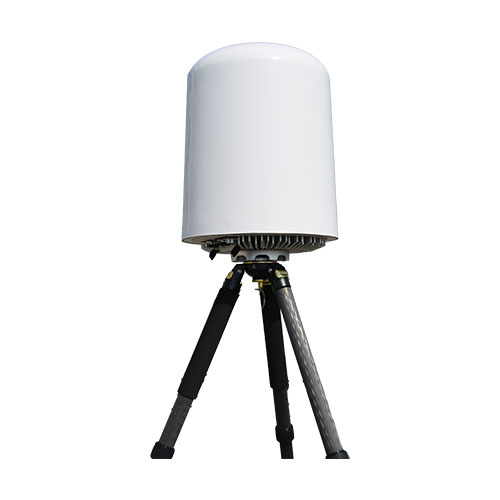
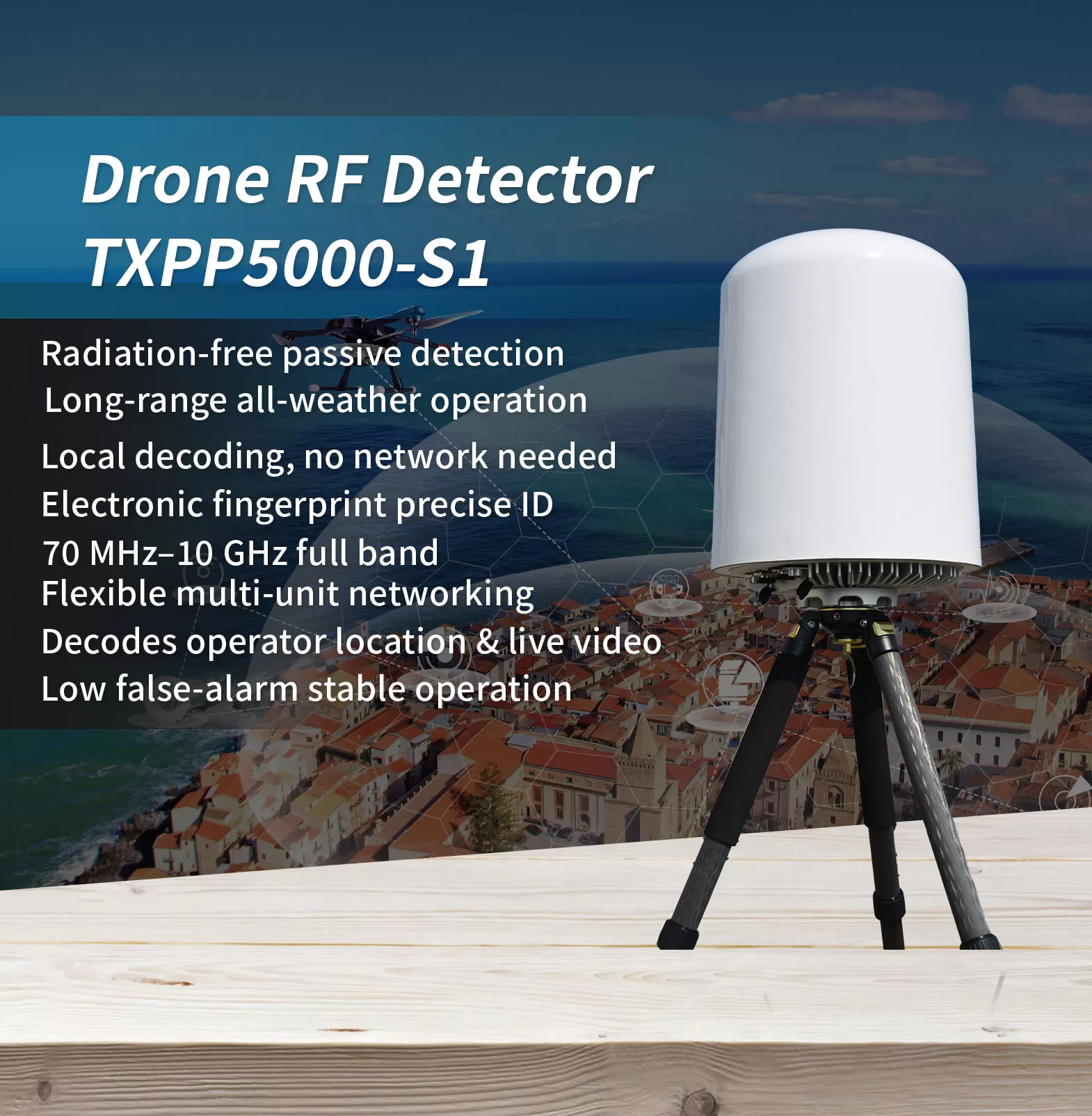
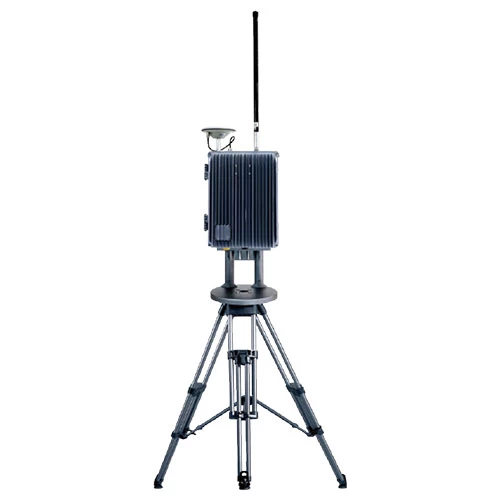
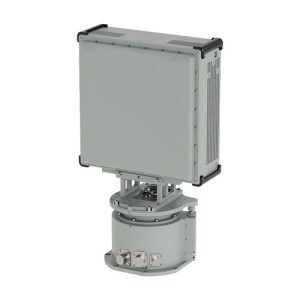
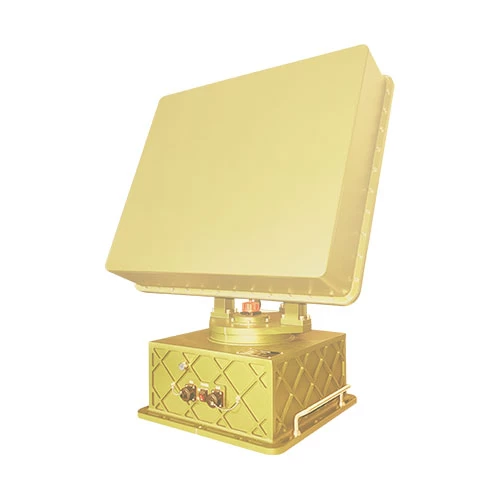
In the landscape of low-altitude threats, the hardest targets to defend against are often the ones you cannot see. FPV drones, modified UAVs, and low-flying “rogue” aircraft frequently evade cameras and radar—yet they cannot hide from radio frequency. This radio detection equipment passively intercepts drone signals without emitting high-power electromagnetic radiation, and keeps working continuously through rain, kohu, pouri, and building obstructions.
Covering a wide 70 MHz to 10 GHz band (subject to local frequency regulations), it identifies drone video and control links and simultaneously tracks more than 40 whainga, with a detection range beyond 5 km that can reach 10 km under favorable conditions, while operating with a low false-alarm rate. It captures the drone’s unique electronic fingerprint (SN), distinguishing individual airframes of the same model and resolving the operator’s location; it decodes domestic and international Remote ID standards such as GB42590-2023, ASTM F3411-22a, and ASD-STAN PrEN4709-002, as well as DJI Drone-ID; it also decodes civil aviation ADS-B broadcasts to provide real-time position information.
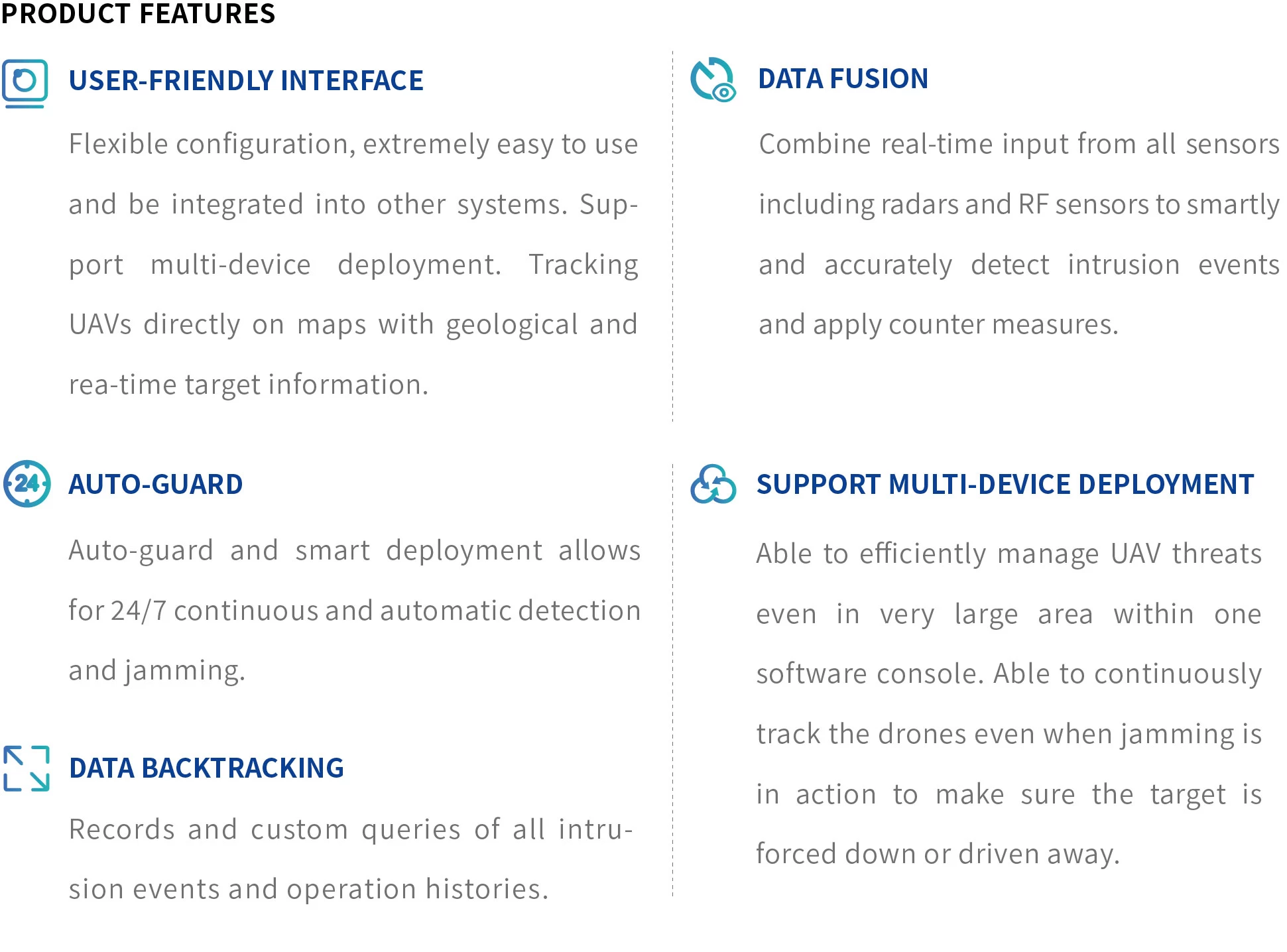
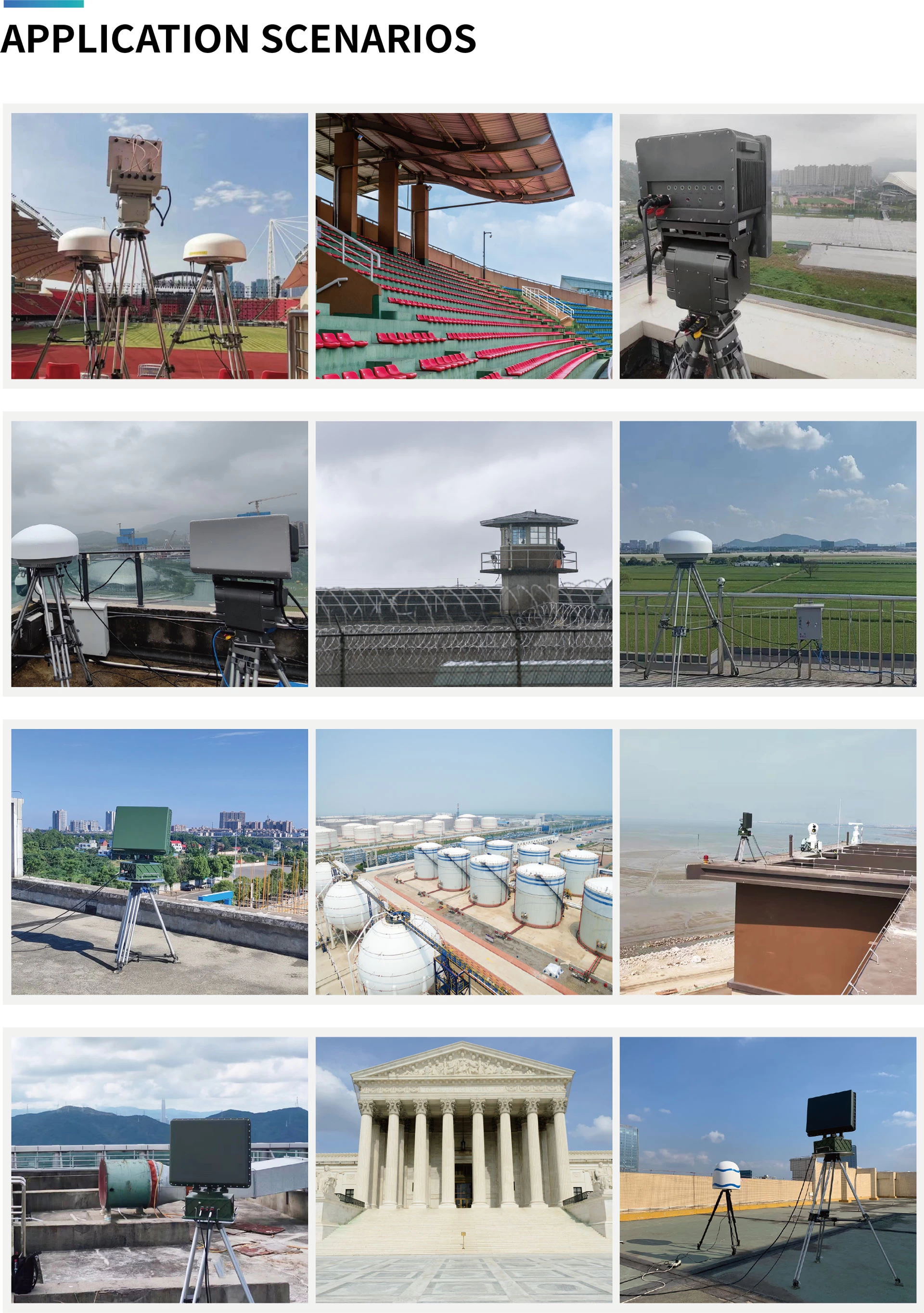
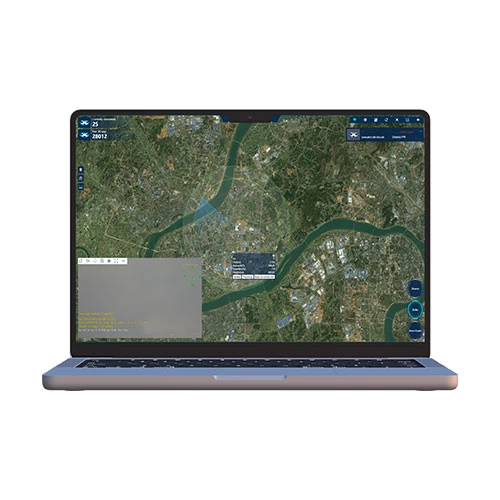
With average power consumption not exceeding 100 W and support for 7×24 unattended operation, it features built-in GPS auto north-alignment and multi-unit networking for 360° full-airspace coverage and cross-location, with linked execution of countermeasure strategies. A Web interface and RESTful API make it easy to integrate into existing security platforms. It is widely suited to low-altitude detection and operator tracing at airports, whare herehere, oil depots, borders, and other critical sites.
*Kia mahara ko nga ahuatanga, He rereke nga whakaritenga me nga mahi kaore he panui.
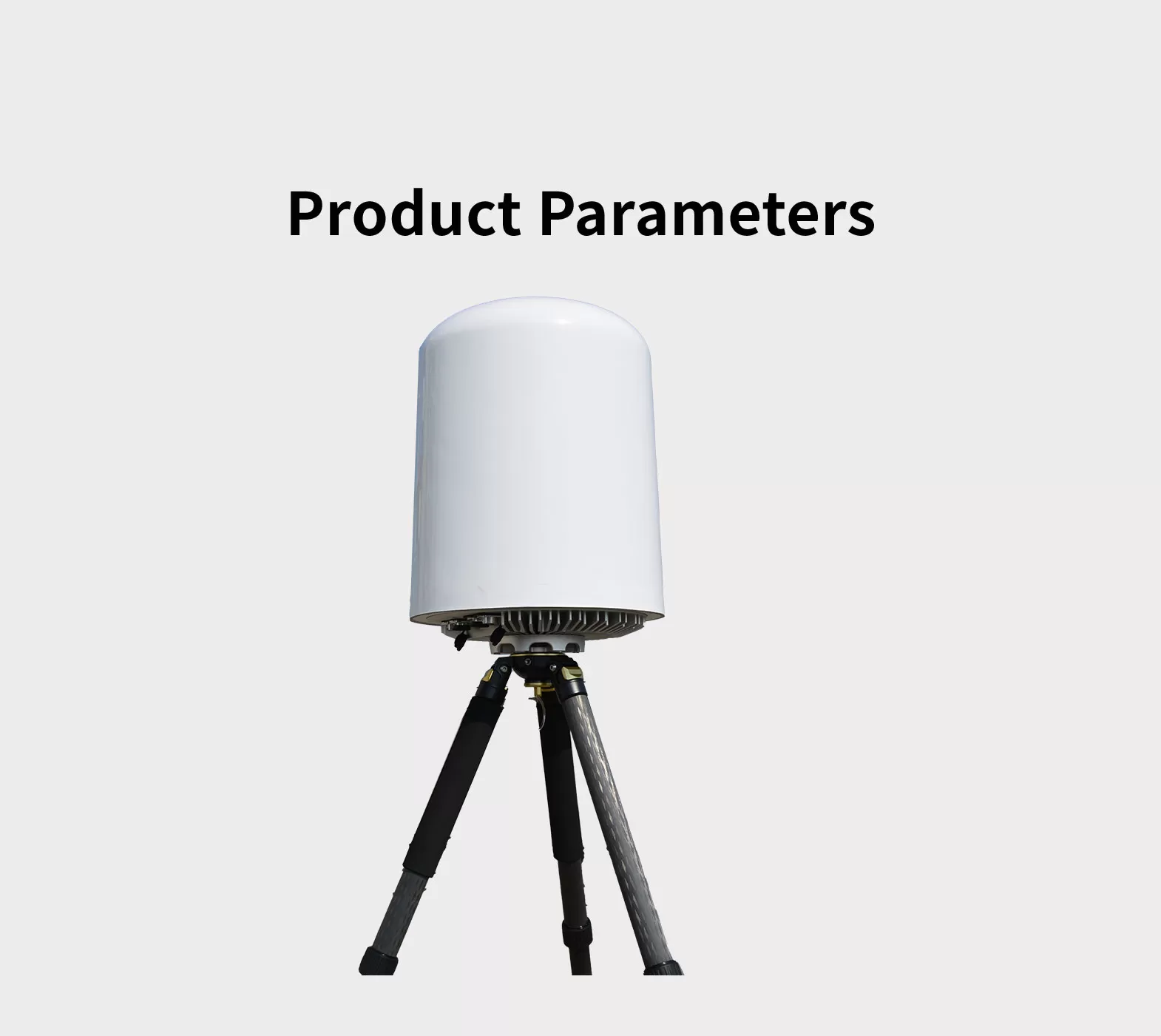
| Āhua | TXPP5000-S1 |
| Frequency range | 70 MHz ~ 10 GHz |
| Awhe rapunga teitei | ≥3 maero (5 km) Maximum detection distance can exceed 6 maero (10 km); actual performance may vary depending on the electromagnetic environment and drone type.) |
| Direction finding accuracy | ≤20°(Rms, Drone hovering condition; applicable to 2.4 GHz an 5 GHz bands only.) |
| Max tukutahi aroturuki | ≥40 |
| Maximum detectable target speed | ≥±66 ft/s (±20 m/s) |
| Kapi a Azimuth | 0 ~ 360 ° |
| Kapi teitei | 0 ~ 90°
|
| Te mana whakahaere | AC 80 ~ 264V / DC 113 ~ 370V |
| Te kohi kaha | ≤ 100W |
| Te pāmahana mahi | -20 ~ +60°C |
| Inenga | ≤ 14 × 20 i roto (350*480 mm) (Diameter*Height) |
| Taumaha | ≤ 33 lbs (15 kg) (Main unit only, excluding mounting bracket) |
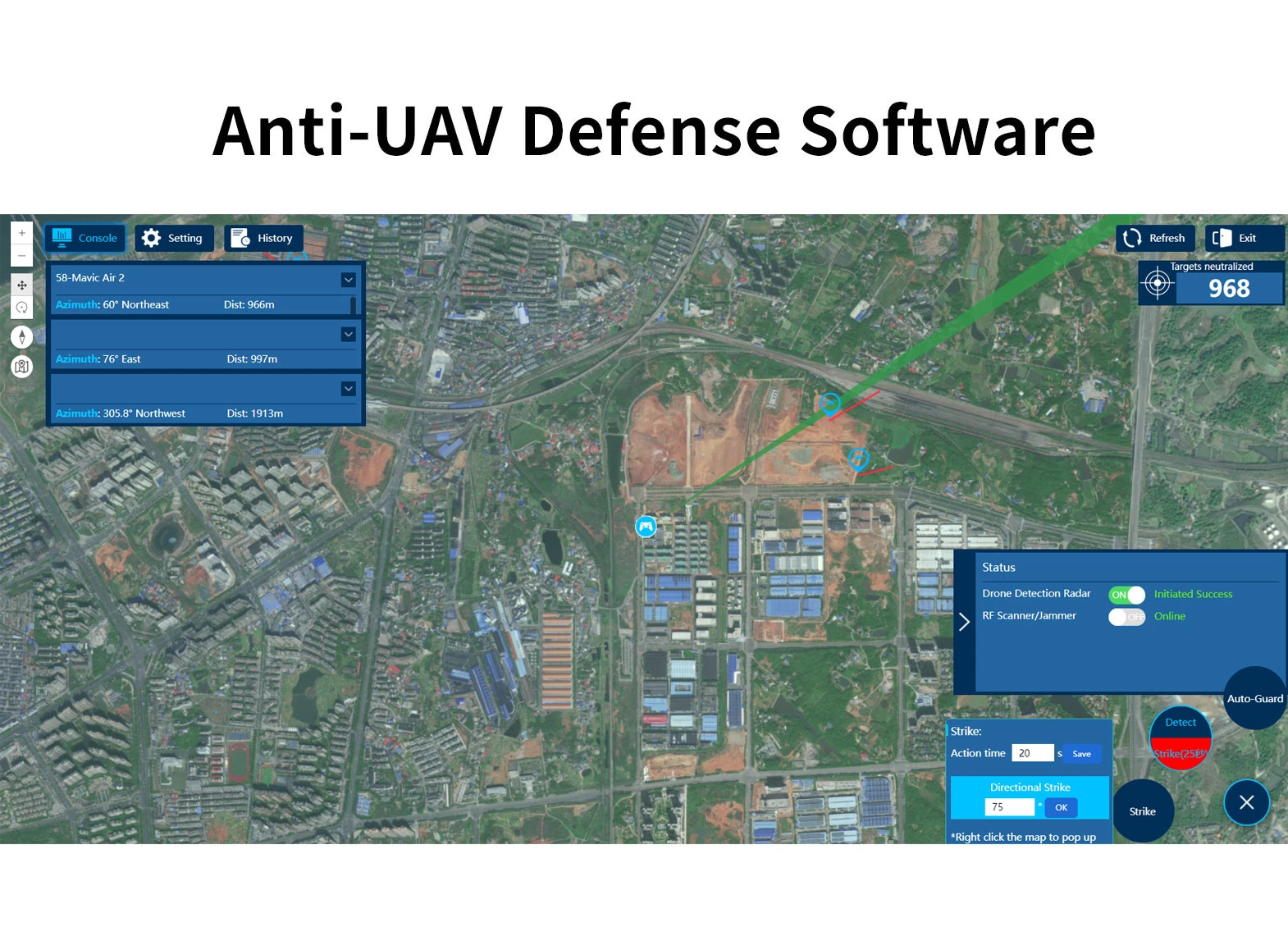
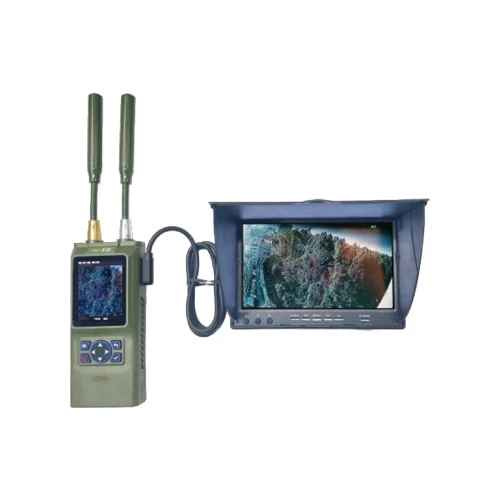
Ko te Pūnaha Tiaki Anti-UAV he taputapu o mua penei i te radar rapu, Pūtirotiro RF, E/O kāmera aroturuki, RF tāmi, he taputapu tinihanga ranei me te punaha whakahaere UAV. Ka uru te drone ki te rohe whakamarumaru, ka whakaputahia e te waeine rapu nga korero mo te tuunga tika ma te tawhiti kaha, koki, tere me te teitei. I te urunga ki te rohe whakatupato, ka whakatauhia e te punaha ka timata te taputapu whakamaarama ki te whakararu i te korero haruru, kia hoki mai te haruru ki te taunga ranei. Ka tautokohia e te punaha nga taputapu maha me te whakahaere i nga rohe maha ka taea te mohio 7*24 te aro turuki i nga rangi katoa me te whakamarumaru mai i te whakaekenga o te haruru.
Ko te Pūnaha Tiaki Anti-UAV kei roto i te radar, i te waahanga rapu RF ranei, Wae aroturuki EO me te wae tami. Ka whakauruhia e te punaha te rapunga whaainga, aroturuki & whakamihi, whakahau & te whakahaere i runga i te aukati, mahi maha i roto i te kotahi. I runga i nga ahuatanga tono rereke, ka taea te tuku ngawari te punaha ki tetahi otinga tino pai ma te kowhiri i nga momo waahanga rapunga me te taputapu tarai. Ka taea e te AUDS te whakaurunga, waka ka mau, kawe ranei. Ma te momo whakaurunga pumau, Kei te whakamahia nuitia te AUDS ki te waahi whakamarumaru taumata teitei, Ko te momo whakauru waka ka whakamahia mo te tirotiro i nga waa katoa, neke atu ranei, me te momo kawe ka whakamahia nui mo te aukati rangitahi & mana i roto i te hui matua, hui hakinakina, konohete etc.


WeChat
Matawai te Waehere QR me te wechat